
ENGLAND TRAVEL GUIDE
Welcome to England! It is a place where ancient history meets everyday life: cathedrals and castles, village pubs and market towns, music cities and windswept coasts. From the iconic streets of London to the beaches of Cornwall and the lakes of the Lake District, this England travel guide covers everything you need to know before visiting England. Expect classic food like fish and chips, afternoon tea and a proper Sunday roast, plus plenty of small local moments such as queueing properly, ordering at the bar, and learning that a breezy seafront always feels one layer colder than the forecast.
Discover England - The Ultimate Travel Guide:
Essential Info to Know Before Visiting England
Currency
British Pound (£)
Population
Approximately 58.6 million
Capital City
London
Major Airports
Heathrow Airport (LHR)
Gatwick Airport (LGW)
Manchester Airport (MAN)
Birmingham Airport (BHX)
Stansted Airport (STN)
Popular Destinations
1. London: Museums, theatre, markets and royal landmarks
2. Manchester: Music, football, canals and nightlife
3. Liverpool: Waterfront history and Beatles heritage
4. York: Medieval streets, walls and Minster views
5. Brighton: Seafront, quirky lanes and an easy city break
What is England Most Famous For?
The Iconic Highlights That Define This Historic Nation
Historic Castles & Landmarks
From the towers of Windsor Castle to the ancient mystery of Stonehenge, England is packed with layers of royal, religious and architectural history.
Countryside & Coast
Think rolling hills in the Cotswolds, dramatic cliffs in Cornwall, and peaceful waters in the Lake District.
Classic Food & Pubs
Fish and chips, Sunday roast, full English breakfasts and tearoom scones are all part of the rhythm of travelling around England.
Cities, Music & Culture
London’s museums, Manchester’s music legacy, Liverpool’s waterfront and York’s history mean England rewards both first-time visitors and repeat trips.
Who Should Visit England (And Who Shouldn't):
Is England the Right Travel Destination for You?
WHO SHOULD VISIT
WHO SHOULDN'T VISIT
Languages Spoken in England:
The Most Common Languages Spoken in England
English
English is the main language used across the country and you will have no problem travelling with it anywhere in England.
Regional Accents & Dialects
From Cockney and Estuary English in the south-east to Scouse, Geordie and Yorkshire speech further north, accents can change dramatically in a surprisingly short train ride.
Other Languages
England’s cities are highly multilingual, so you will hear many community languages alongside English in daily life.
A Few Must-Visit Attractions in England:
Explore the Best of England's History and Beauty
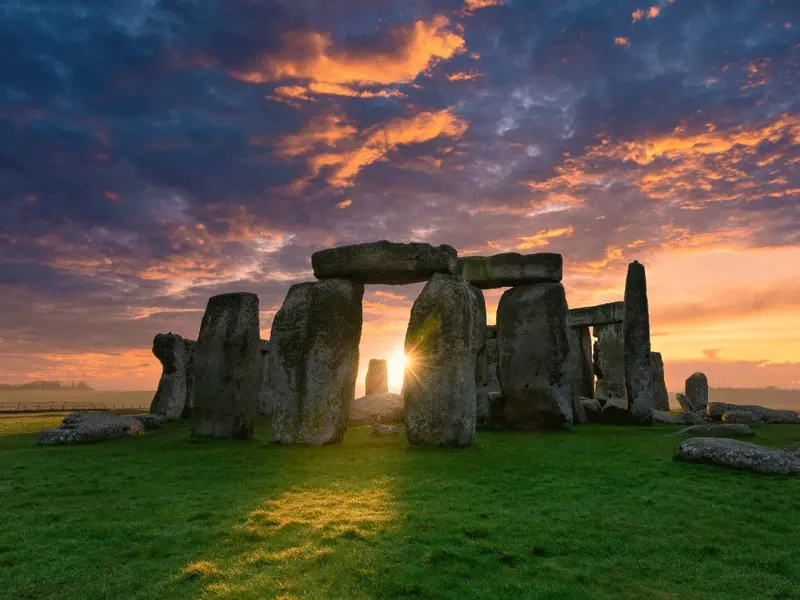
STONEHENGE
ANNUAL VISITORS: 1,363,252 (2024)
The mysterious prehistoric stone circle has stood here for millennia and still feels strangely powerful in person, especially when the Salisbury Plain wind gets going.
📍 LOCATION: Wiltshire, England

WINDERMERE LAKE
VISITOR CONTEXT: The wider Lake District welcomed 18.11 million tourists in 2023
Windermere is England’s largest natural lake and one of those places that feels different each hour depending on the light, weather and boat traffic.
📍 LOCATION: Cumbria, England
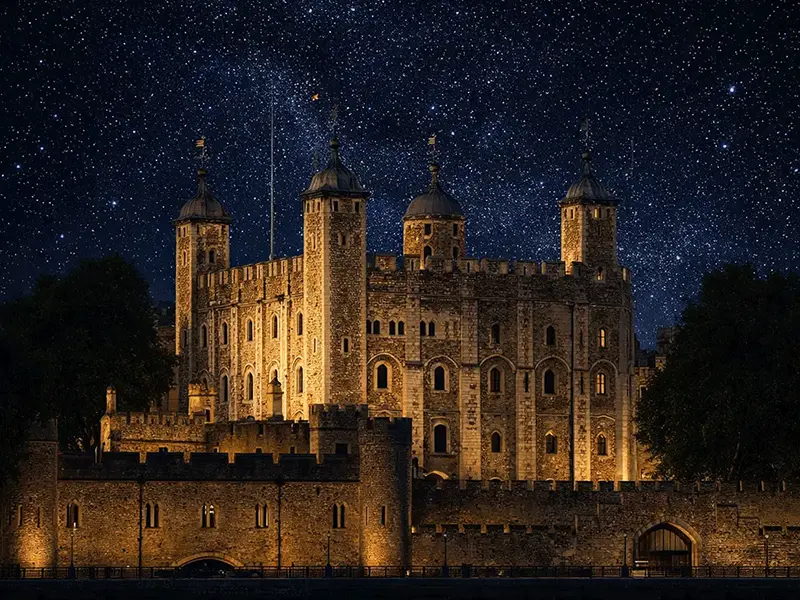
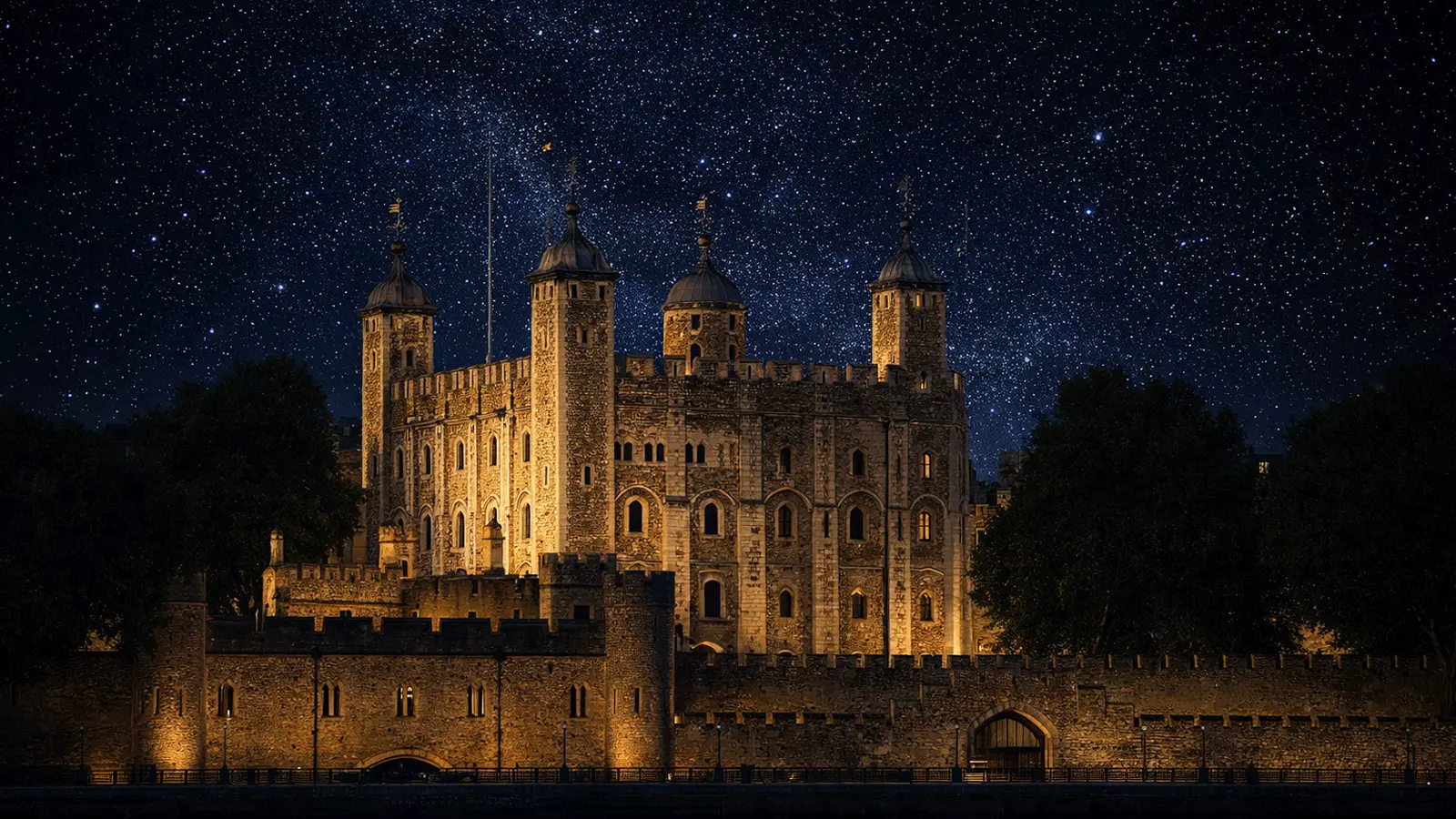
TOWER OF LONDON
ANNUAL VISITORS: 2,902,385 (2024)
Home to the Crown Jewels and centuries of royal history, this fortress packs in more stories than many visitors expect, from ravens to prisoners to palace intrigue.
📍 LOCATION: London, England
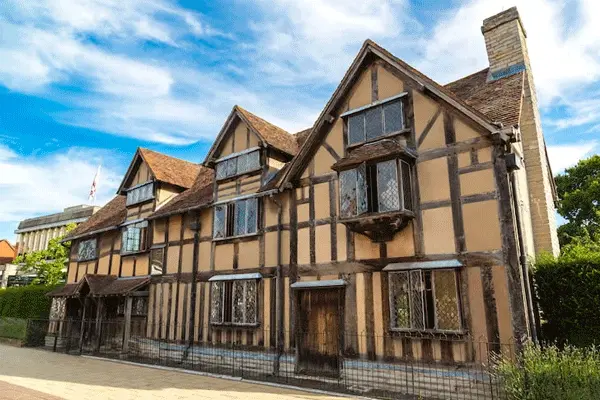
SHAKESPEARE'S BIRTHPLACE
ANNUAL VISITORS: 285,384 (2024)
The Tudor house where Shakespeare was born still feels wonderfully rooted in the town, especially when you step out and hear performers and school groups on Henley Street.
📍 LOCATION: Stratford-upon-Avon, England
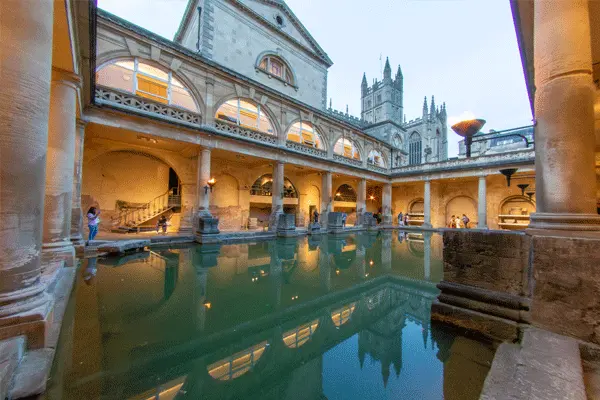
ROMAN BATHS
ANNUAL VISITORS: 1,075,143 (2024)
A UNESCO-listed highlight where steaming water, Roman archaeology and Bath’s honey-coloured stone make the whole city feel like a set piece.
📍 LOCATION: Bath, England
Discover More Things To Do
Find tickets, guided tours, and experiences for hundreds of top-rated sights across the country.
Explore All England AttractionsEngland Regional Breakdown:
Understanding England's Diverse Regions
South of England
Home to London, Oxford, Bath, the South Downs and the coastlines of Cornwall, Dorset and Sussex.
Midlands & Cotswolds
Rolling countryside, Shakespeare country around Stratford-upon-Avon, canal towns and historic market centres.
North of England
Dramatic scenery in the Lake District, football and music cities like Manchester and Liverpool, plus medieval York.
East & Northeast
Cambridge and its colleges, Durham’s cathedral skyline and the rugged castles and beaches of Northumberland.
England Weather Overview:
Average Temperature & Weather Stats for Each Season
Winter
Spring
Summer
Autumn
What Clothes To Bring To England:
Clothing Recommendations by Season
Cool Season
Mild Season
Warm Season
How To Travel Around England:
England Transportation Guide: Convenient Options for Every Traveller
Black Cabs & Taxis
London’s black cabs are reliable and licensed. Outside the capital, use local licensed taxis or reputable apps.
London Underground
The Tube is the quickest way around much of London. Contactless payment or Oyster is usually easiest, and yes - on escalators, stand on the right.
National Rail
England’s rail network connects major cities and many towns quickly. Booking early often saves a lot, especially on long-distance routes.
Coaches & Buses
National Express and local buses are often the cheapest option for longer journeys, airport runs and smaller towns.
Car Rental
Ideal for rural England, coastal routes and national parks. Remember to drive on the left and expect tight lanes, stone walls and very confident tractors.
Uber & Ride Apps
Useful in bigger cities and towns, especially early mornings, late nights and station-to-hotel hops with luggage.
Domestic Flights
Sometimes handy for longer journeys, but for most popular city pairs, train travel is usually simpler once you factor in airport transfers.
Walking
Many historic centres are best explored on foot. Just remember that cobbles, canal paths and old staircases can be slippery when wet.
England Hotel Guide - Budget-Friendly to Luxury Stays:
Find the Right Accommodation for Your Holiday in England
Budget Accommodation
PRICE RANGE: £40-£90 PER NIGHT
Ideal for: Hostels, guesthouses and simple budget hotels
Mid-Range Accommodation
PRICE RANGE: £90-£170 PER NIGHT
Ideal for: Comfortable hotels, inns and boutique stays
Luxury Accommodation
PRICE RANGE: £170+ PER NIGHT
Ideal for: Country house hotels, spa stays and five-star city breaks
SEASONAL PRICING:
HIGH SEASON (MAY-SEPTEMBER): Prices rise in warmer months, school holidays and around big events.
SHOULDER SEASON (MARCH-APRIL & OCTOBER): Often the sweet spot for value and decent weather.
LOW SEASON (NOVEMBER-FEBRUARY): Best deals in many cities, though seaside resorts can feel quieter and some smaller places reduce opening hours.
English Cuisine - What to Eat and Drink:
Must-Try English Dishes: A Flavourful Adventure
Traditional Dishes
FISH AND CHIPS: £9-£15 - Fresh cod or haddock with chips, often best eaten near the coast on a windy bench.
SUNDAY ROAST: £14-£22 - Roast meat or a veggie option with Yorkshire puddings and roast potatoes.
FULL ENGLISH BREAKFAST: £8-£14 - Eggs, bacon, sausages, beans, toast and more.
CORNISH PASTY: £4-£7 - A hearty pastry that still feels like the perfect train or road-trip lunch.
Popular Desserts
SCONES WITH CLOTTED CREAM: £5-£9 - A classic tearoom treat.
STICKY TOFFEE PUDDING: £6-£9 - Warm sponge cake with rich toffee sauce.
VICTORIA SPONGE: £4-£7 - Light sponge cake with jam and cream.
ETON MESS: £6-£8 - Meringue, strawberries and cream.
Drinks
AFTERNOON TEA: £25-£55 - Tea, sandwiches, scones and cakes.
REAL ALE: £4.50-£7 - Traditional cask beer from pubs.
PIMM'S: £6-£10 - A classic summer drink.
ENGLISH BREAKFAST TEA: £2.50-£4 - Still the default cuppa in plenty of cafés, hotels and homes.
Food & Water Safety:
Eating and Drinking Safely in England
Tap Water
Tap water is normally safe to drink throughout England. Temporary local boil-water notices are rare but worth checking if you are staying somewhere affected by an incident.
Ice & Hygiene
Ice in licensed cafés, pubs and restaurants is generally safe, and hygiene standards are high by international standards.
Street Food & Markets
Busy stalls with fresh turnover are usually the best bet. Food halls and markets in English cities are often among the most fun places to eat.
What to Buy in England - A Shopper’s Guide:
Top English Souvenirs You Can't Miss
English Tea
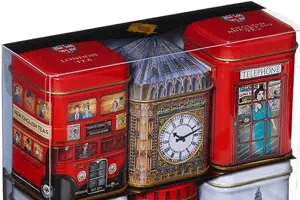
Classic breakfast tea and handsome tins make easy, packable gifts.
£3 - £10
Biscuits

Shortbread, chocolate digestives and fudge from supermarkets or local shops.
£2 - £6
Woollen Scarves

High-quality scarves, hats and knitwear made with British wool.
£15 - £40
Royal-Themed Memorabilia
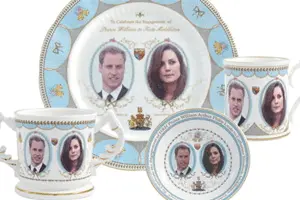
Tea towels, tins, ornaments and palace-shop keepsakes from museum and souvenir shops.
£5 - £25
How Expensive is England:
The Lower The Score, The Cheaper It Is
Flight Prices
SCORE: 6/10
Flights can be reasonable if booked early, especially into London, Manchester and other major airports.
Hotel Prices
SCORE: 7/10
There is a wide range of accommodation, but London and headline destinations push the average up.
Food Prices
SCORE: 5/10
Meal deals, pubs and markets can be good value, while sit-down dining varies a lot by city.
Transport Prices
SCORE: 6/10
Trains are fast but can be expensive without advance booking or a Railcard.
Activity Prices
SCORE: 5/10
Many major museums are free, but heritage sites and special exhibitions often cost more.
Shopping Prices
SCORE: 6/10
High streets can be pricey, but supermarkets, outlets and markets often balance things out.
OVERALL ENGLAND EXPENSIVE SCORE -
Money & Payments in England:
Cash vs Cards and ATM Tips
Contactless is King
Contactless cards and phone payments are accepted almost everywhere, including most of London’s transport network.
Cash Still Useful
A little cash still helps in rural markets, some small cafés or the occasional older pub.
Fun Facts About England:
Trav the Mascot's Top England Trivia

Squawk! Did you know England is home to Liverpool Road Station in Manchester, the world’s oldest surviving passenger railway station?
Here are a few more squawkin' good facts:
Castles & Ruins
England is dotted with castles, from working royal residences to dramatic ruins on hilltops and coastlines.
Wimbledon
Wimbledon, first held in 1877, is the oldest tennis tournament in the world and still serves strawberries and cream by the punnet.
Shakespeare
William Shakespeare was born in Stratford-upon-Avon in 1564, and his home town still leans joyfully into the Bard.
History About England:
Key Historical Events of England
England's history stretches back thousands of years and has shaped much of the modern world.
-
Norman Conquest
1066 - William the Conqueror defeated King Harold at the Battle of Hastings, reshaping England’s monarchy, landholding and language.
-
Tudor Era
1485-1603 - The reigns of Henry VIII and Elizabeth I brought religious upheaval, exploration and cultural change.
-
Industrial Revolution
1760-1840 - England helped drive the modern industrial age with mills, railways, canals and new cities.
-
Victorian Era
1837-1901 - Queen Victoria’s reign saw the expansion of rail travel, civic buildings, public museums and the British Empire.
-
20th Century
Two World Wars, post-war rebuilding and the creation of the welfare state shaped modern England.
-
Modern England
Today England is a diverse, multicultural nation with global influence in culture, sport, education, finance and science.
Seasonal Events & Festivals in England:
Experience England's Iconic Festivals and Traditions
Wimbledon Championships
The world’s oldest tennis tournament, held in London each summer with strawberries, cream and famously patient queueing.
Guy Fawkes Night
Bonfires and fireworks on 5 November, from village greens to major city displays.
Notting Hill Carnival
Europe’s largest street festival, celebrating Caribbean culture over the August bank holiday weekend.
Christmas Markets
Festive markets brighten cities such as Manchester, York and Birmingham from late November into December.
English Architecture - A Guide:
Explore the Marvels of English Architecture

Gothic Cathedrals
York Minster, Canterbury Cathedral and others showcase pointed arches, spires, vaulting and stained glass that define medieval English grandeur.
Tudor Style
Black beams, white plaster, tall chimneys and leaded windows make Tudor buildings instantly recognisable in Stratford-upon-Avon and beyond.
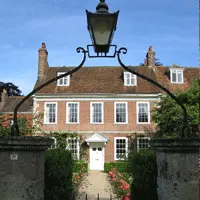
Georgian Elegance
Symmetry, sash windows and crescents define Georgian England, seen beautifully in Bath and many London neighbourhoods.
Cultural Traditions of England:
Explore the Rich Traditions of English Life
Afternoon Tea
A ritual of tea, sandwiches, scones with clotted cream and cakes, ranging from simple tearooms to grand hotels.
Pub Culture
The local pub is still a social hub. In many places you order at the bar, find a table, and settle in while the dog by the fire pretends not to notice your chips.
Theatre & Festivals
From London’s West End to literary festivals, village fetes and summer concerts, England likes a good gathering.
Famous Movies & TV Shows Filmed in England:
Filming Locations in England You Can Visit
Harry Potter films (2001-2011)

Many iconic scenes were shot at Alnwick Castle, Oxford colleges, Gloucester Cathedral and the Warner Bros Studio Tour near London.
Downton Abbey (2010-2015)
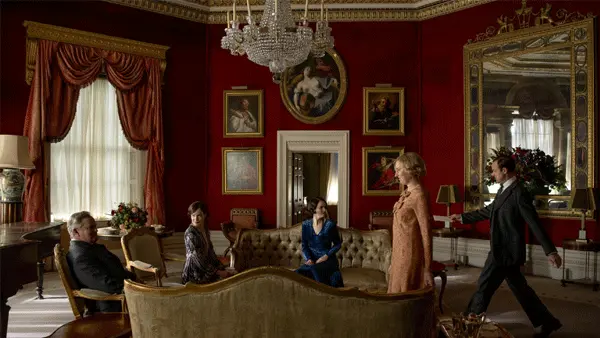
Highclere Castle in Hampshire served as the grand family home in this beloved period drama.
The Crown (2016-2023)

Filmed at historic English locations including Lancaster House, Ely Cathedral and a range of stately homes standing in for royal settings.
What You Need to Know Before Visiting England:
Must-Know Tips for Travelling in England
Tipping Culture
10% to 12.5% is common in restaurants if a service charge is not already added. Tipping is not usually expected in pubs when ordering at the bar.
Driving on the Left
Drive on the left and give way to traffic coming from the right at roundabouts.
Queueing
England takes queues seriously. Join the back, wait your turn and you will fit right in.
Train Tickets
Advance tickets online can save a lot, but do double-check whether your train is tied to a specific departure time.
UK Plug Type
Type G plugs (three rectangular pins) with 230V / 50Hz electricity. Bring an adaptor if needed.
Mobile Data
UK-EU roaming caps no longer apply, so check your provider before you travel or buy a local SIM / eSIM.
Trav's Travel Hacks to Save Money in England:
Smart Tips to Stretch Your Travel Budget
Don’t let your pounds fly away - use these best England travel hacks!
Check out these money-saving tips:
Book Trains Early
Advance tickets can be dramatically cheaper than buying on the day.
Visit Free Museums
Many major museums are free, especially in London, which can save you a fortune across a few days.
Use Meal Deals
Supermarket meal deals are a very English budget move and surprisingly handy for train days, parks and quick lunches.
How to Avoid Tourist Traps in England:
Common Scams in England and How to Avoid Them
Unlicensed Taxis
Use official black cabs, licensed local taxis or trusted ride apps. Avoid random offers outside stations and nightlife areas.
Pickpockets in Crowds
Busy tourist zones, markets and major rail stations deserve extra care with phones, wallets and backpacks.
Fake Ticket Sellers
Buy attraction tickets from official websites or reputable platforms, not from people approaching you on the street.
Common Tourist Mistakes:
What Not to Do on Your England Trip
Not Checking the Weather
England’s weather shifts fast. Carry a light waterproof jacket even when it looks bright in the morning.
Buying Train Tickets Last Minute
Walk-up fares can be far pricier than advance tickets. Sunday engineering works also catch a lot of visitors out.
Trying to Do Too Much in London
London is bigger and slower to cross than it first looks on the map. Plan by neighbourhood, not by wish list.
What Nobody Tells You Before You Go:
The Unfiltered Truth About Travelling in England
It Really Does Rain
Not constantly, but often enough that locals carry on without fuss and visitors quickly learn the value of a good jacket.
Opening Hours Can Be Early
Smaller attractions, independent shops and some cafés may shut earlier than you expect, especially outside big cities.
Signal Drops in Rural Areas
Phone coverage can fade in places like the Lake District, on moors and along some coastal roads, so offline maps help.
Last Orders Come Earlier Than You Think
Many traditional pubs call last orders around 11pm, and food service often ends well before that.
How to Travel England on a Budget:
Smart Tips to Save Money While Exploring England
Visit in Shoulder Season
April-May or September-October often bring lower prices, fewer crowds and good sightseeing weather.
Use Advance Train Tickets
Booking early is one of the simplest ways to cut transport costs.
Eat Smart
Pubs at lunch, supermarket meal deals and food halls usually beat expensive tourist-strip restaurants.
Free Attractions
Many museums are free, and plenty of great viewpoints, parks and historic streets cost nothing.
Coaches for Long Distances
National Express and similar coach services are often cheaper than trains if you can spare the time.
Stay in Guesthouses
Family-run B&Bs and guesthouses can offer better value and a warmer feel than chains.
Best-Value Places in England by Vibe:
Where to Find Better Value for Different Travel Styles
Best-Value Big City Base
Manchester: Usually easier on the budget than London, with strong transport links, nightlife and good hotel choice.
Best-Value Classic Seaside Base
Blackpool: Old-school seaside fun and lots of accommodation stock, especially outside major holiday weekends and Illuminations season.
Best-Value Nature Gateway
Durham: Compact, scenic and often better value than England’s bigger tourist cities, with easy access to countryside.
Best All-Round Historic Base
Chester: Walkable, characterful and often better value than Bath or Oxford for a historic city break.
Good-Value South Coast Trip
Brighton: Not the cheapest coast stay in England, but midweek and off-season trips can still work well, especially from London.
Good-Value University City Timing
Cambridge: Often noticeably better value midweek and outside term time than first-time visitors expect.
Best-Value Walled Historic City
York: Rarely “cheap”, but shoulder season can offer excellent value for such a walkable, iconic city.
Best-Value Lake District Edge Base
Kendal: Often better value than staying right on the lake, while still giving you straightforward access to the Lakes.
How to Spend 10 Days in England:
Plan Your English Adventure: Top Itinerary Ideas
Itinerary 1: Classic England
DAYS 1-4: London - museums, markets, royal sights and a West End show.
DAYS 5-7: Bath and the Cotswolds for Georgian charm and countryside.
DAYS 8-10: York and the North for medieval streets and dramatic history.
Itinerary 2: Nature & Coast
DAYS 1-3: London highlights.
DAYS 4-7: Cornwall for cliffs, harbours and beach towns.
DAYS 8-10: Lake District for boat trips and walking.
Itinerary 3: History & Culture
DAYS 1-4: London museums and royal sites.
DAYS 5-7: Oxford and Cambridge for college towns and punting.
DAYS 8-10: Stratford-upon-Avon and Warwick country.
Itinerary 4: North & South Mix
DAYS 1-3: Manchester and Liverpool for music and maritime history.
DAYS 4-7: York and the Yorkshire Dales.
DAYS 8-10: Brighton before returning to London.
Live a Day Like a Local in England:
Experience England Through Local Eyes
Morning Breakfast
Start with a full English, or go lighter with toast, marmalade and a strong cup of tea.
Explore a Local Landmark
Visit a market, museum, cathedral or castle - the sort of place locals actually recommend when friends visit.
Grab Lunch
Choose a pub lunch, bakery stop or a supermarket meal deal if you are doing England on the practical side.
Evening Stroll
Finish with a walk through a park, along a river or on a promenade, then maybe fish and chips or a pint before last orders.
OTHER ENGLAND TRAVEL GUIDES:
EXPLORE MORE DESTINATIONS ACROSS ENGLAND
FAQs ABOUT ENGLAND:
Frequently Asked Questions About Visiting England