
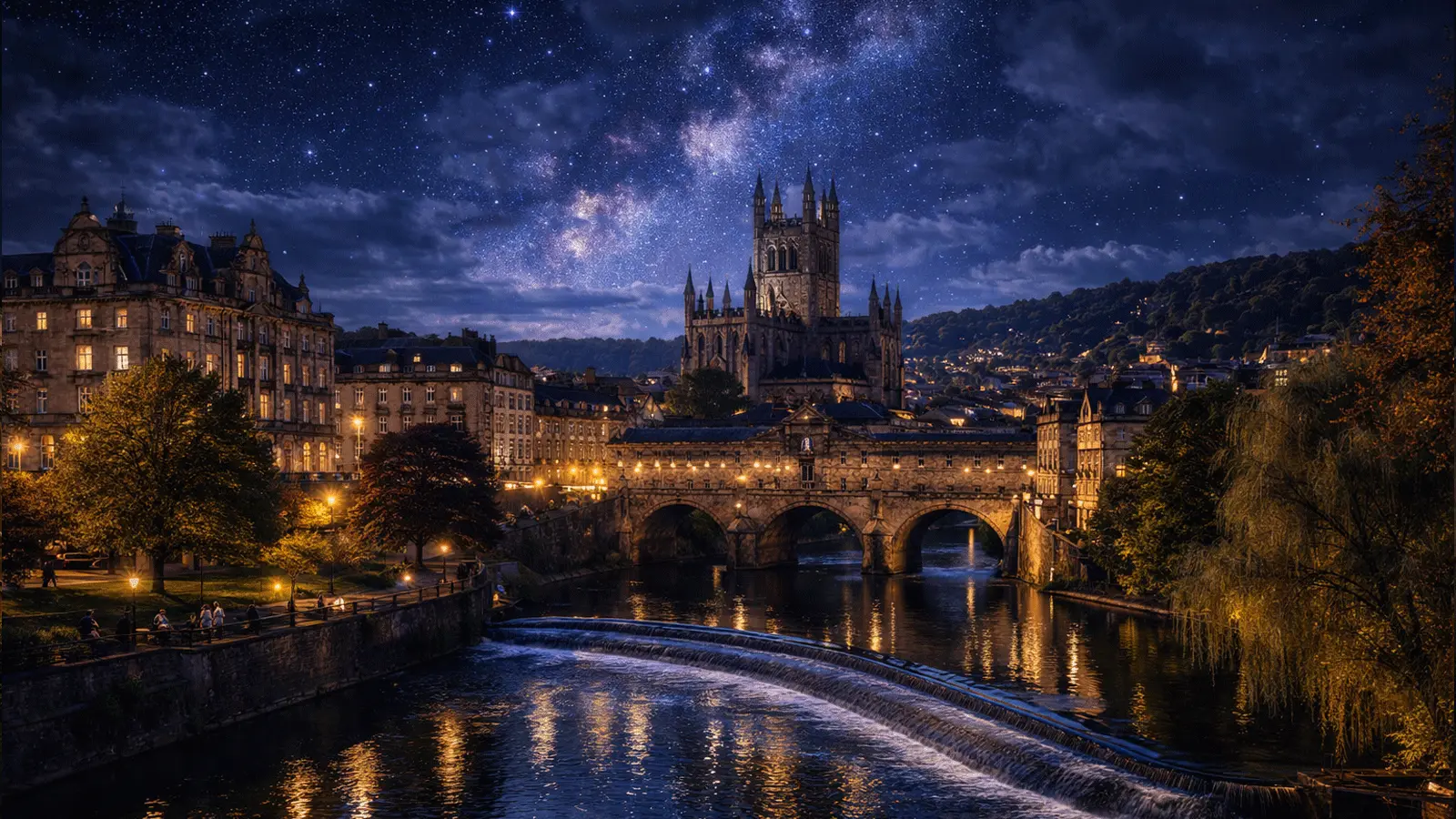
BATH TRAVEL GUIDE
Bath is easily one of the most visually stunning cities in the entire United Kingdom. Built into a steep natural amphitheatre of green rolling hills in Somerset, it feels entirely different from the rest of the country. Almost every building is constructed from honey-coloured Bath stone, giving the streets a warm, golden glow even on a terribly overcast Tuesday. It is a place where you can smell the faint, earthy scent of sulphur rising from ancient Roman plunge pools, right before rounding a corner to find street buskers echoing classical music against the towering walls of Bath Abbey. Whether you want to stroll the exact same cobblestones as Jane Austen or soak your tired legs in mineral-rich thermal waters overlooking the city skyline, this completely updated travel guide gives you absolutely everything you need to know to plan the perfect trip to Bath.
Discover Bath: The Ultimate City Guide
Essential Info to Know Before Visiting Bath
Currency
British Pound Sterling (£)
Population
Approximately 94,080 (2021 Census)
Status
UNESCO World Heritage Site
Main Airport
Bristol Airport (BRS)
Just 19 miles away.
Key Districts
1. City Centre: Shopping and Abbey
2. Walcot Street: Artisan makers and quirky pubs
3. Bathwick: Grand estates and the canal
4. Widcombe: Cosy village feel near the station
5. Lansdown: Steep hills and panoramic views
Emergency Contacts
🚓 Police, Fire, Ambulance: 999
📞 Non-Emergency Police: 101
⚕️ Non-Emergency Medical: 111
Why You Should Visit Bath:
8 Reasons to Love the Spa City
Ancient Romans
Explore the impeccably preserved Roman Baths. Walking on original 2000-year-old paving stones next to steaming green water is an unforgettable thrill.
Thermal Waters
Bath is the only place in the UK where you can physically bathe in naturally hot, mineral-rich spring waters at the luxurious Thermae Spa.
Stunning Streets
The sweeping Georgian curves of the Royal Crescent and The Circus are architectural masterpieces that make you feel like you are on a film set.
Jane Austen
The famous author lived here for years. You can visit her centre, walk the exact streets she wrote about, and fully embrace the Regency romance.
Bath Abbey
Gaze up at the magnificent fan-vaulted ceiling of the Abbey, bathed in golden light from the massive stained glass windows.
Baked Goods
Indulge in a legendary, massive Sally Lunn bun in one of the oldest houses in the city, smothered in melted cinnamon butter.
Boutique Shopping
The independent shops along Milsom Street and Walcot Street are packed with artisan crafts, old books, and bespoke clothing.
Countryside Access
Because the city sits in a valley, you can walk just 15 minutes up a hill to find yourself entirely surrounded by peaceful Somerset sheep and green pastures.
Who Should Visit (And Who Shouldn't):
Is Bath Right For You?
WHO WILL LOVE IT
WHO MIGHT HATE IT
Does Bath Have...?
Quick answers for first-time visitors
History and Culture?
Everywhere you look. The City of Bath is a designated UNESCO World Heritage Site (the designation covers the whole city, not just the centre).
Wild Nightlife?
Not really. There are brilliant, cosy pubs and underground cocktail bars, but it lacks the huge clubbing scene of nearby Bristol.
Good Shopping?
Yes. The SouthGate centre has the modern high street brands, while the upper lanes offer fantastic quirky, independent boutiques.
Easy to Get Around?
Yes, if you enjoy walking. The city centre is completely pedestrian-friendly, though be prepared for some heavy calf workouts if you wander uphill to Lansdown.
Peaceful Nature?
Yes. The Kennet and Avon Canal offers a glorious, flat walking route, and Prior Park has sweeping valley views.
An Underground Tube?
No. Bath relies entirely on buses and walking. The city is far too small and historic to tunnel beneath.
Great Food?
Absolutely. From traditional hearty West Country cider and pie pubs to high-end Michelin-starred dining, the culinary scene punches well above its weight.
Cheap Parking?
Definitely not. Parking is strictly limited, heavily monitored, and eye-wateringly expensive. Use the Park and Ride services on the outskirts of the city.
Fun Facts About Bath:
Things You Didn't Know About the Spa City

Squawk! Did you know that the planet Uranus was actually discovered from a back garden in Bath? Astronomer William Herschel spotted it using a homemade telescope in 1781!
Here are a few more squawkin' good facts:
Birth of a Monster
Mary Shelley lived in Bath in 1816–1817 and wrote much of Frankenstein while staying near Bath Abbey.
Naturally Hot
Around 1.17 million litres of water rise into the Roman Baths area every day. It naturally bubbles up at a consistent 46°C.
Bridgerton Backdrop
The city's perfectly preserved streets served as a key filming location for the hit Netflix series Bridgerton. You can take dedicated walking tours to spot the characters' houses.
Location of Bath:
Where to Find the City
Geographic Location
Bath is located in the valley of the River Avon in Somerset, in the South West of England. It sits close to the southern edge of the Cotswolds National Landscape (the designated Cotswolds area begins just outside the city).
Neighbouring Cities
The vibrant, heavily creative city of Bristol is only 11 miles to the northwest. It makes for an incredibly easy 15-minute train ride if you want a change of pace.
Proximity to London
Despite feeling a world away, you can reach London in just under 1 hour and 20 minutes via the direct, high-speed rail service from Paddington Station.
Bath History:
From Ancient Springs to High Society
The history of Bath is entirely dictated by its water. What began as a Celtic shrine evolved into an ancient Roman leisure complex, before being totally transformed centuries later into a playground for wealthy Georgian aristocrats seeking gossip and health cures.
-
Pre-Roman: Sulis
Long before the Romans arrived, the local Celtic tribes worshipped the hot springs, dedicating the steaming waters to the goddess Sulis.
-
c. 60–70 AD: Aquae Sulis
In the early decades of Roman Britain, a temple and bathing complex began to be built around the hot springs, creating the Roman settlement known as Aquae Sulis.
-
973 AD: A Royal Crowning
Edgar, the very first King of all England, was officially crowned at Bath Abbey. The grand ceremony set the exact precedent for all future British coronations.
-
18th Century: Georgian Boom
Architects John Wood the Elder and his son radically redesigned the city. They built the famous Circus and Royal Crescent using local limestone, turning Bath into a fashionable resort.
-
1801: Jane Austen Arrives
The iconic author moved to Bath. Though she reportedly disliked the damp weather, she used the city's gossipy assembly rooms as the setting for two of her novels, Northanger Abbey and Persuasion.
-
1942: The Baedeker Blitz
During WWII, the German Luftwaffe targeted cities of cultural importance rather than military value. Bath was heavily bombed over two nights, destroying hundreds of historic buildings.
Bath Weather Overview:
Understanding the West Country Climate
Spring & Autumn
Summer (June to August)
Winter (Dec to February)
Airport Transfers:
Getting from the Airport to Bath
Bristol Airport (BRS)
A4 AIR DECKER BUS: The absolute best and most direct route. It picks you up directly outside the terminal and trundles right into Bath city centre in about 50 minutes. It costs around £17.50 for an adult single. You can pay contactless on board, and if you use Tap On/Tap Off, remember to tap on and off.
TAXI: A pre-booked private transfer will take about 40 minutes depending heavily on the winding country roads traffic, costing upwards of £45.
London Heathrow (LHR)
TRAIN: Take the slick Elizabeth Line or Heathrow Express straight into London Paddington, then catch the Great Western Railway train directly to Bath Spa. The whole journey typically takes around 2 to 2.5 hours, depending on connections.
COACH (NATIONAL EXPRESS): Slower, usually taking around 2.5 hours, but often the cheapest choice for budget travellers, picking up right from the Heathrow bus station.
Train Station:
Arriving in the City Centre
Bath Spa Railway Station
Bath Spa is a brilliant, highly central station. The moment you step out of the grand, Victorian-era ticket hall, you are less than a five-minute walk from the main shopping streets and the Roman Baths. It connects you directly to London Paddington, Bristol Temple Meads, and Cardiff. Grab a coffee from the kiosk on Platform 1 while waiting for your return train.
Getting Around Bath:
Navigating the Cobblestones
Walking
Your own two feet are absolutely essential. The city is highly compact, meaning you can walk from the train station to the Royal Crescent in just 20 minutes. Beware: the pavements are heavily rutted, and high heels are a guaranteed twisted ankle.
Local First Buses
If you need to reach the University at the top of the hill or travel out to a surrounding village, the local purple and blue First buses are reliable. You can tap your contactless card for a cheap single fare.
Voi E-Scooters
You will see these bright coral pink scooters parked everywhere. Download the app, scan the code, and zip along the flatter areas near the river. Just do not try riding them up the brutally steep Bathwick Hill!
Taxis & Uber
There is a highly organised taxi rank directly outside the train station and another by the Abbey. Uber does operate here, but wait times can sometimes be quite long on a busy Saturday night.
Bath Hotel Guide:
Where to Sleep in the Valley
Widcombe / Station Area
BUDGET AND CONVENIENT
PRICE RANGE: £60 to £120 per night
Ideal for: Quick access to the trains, cheaper chain hotels, and lovely local pubs right on the high street.
City Centre
MID-RANGE TO PRICEY
PRICE RANGE: £150 to £250 per night
Ideal for: Stepping out of your front door directly next to the Roman Baths and endless coffee shops.
Royal Victoria Park
LUXURY AND CLASSIC
PRICE RANGE: £300+ per night
Ideal for: Staying in converted Georgian townhouses, opulent five-star spas, and experiencing true aristocratic luxury.
PRICE WATCH:
PEAK (SUMMER WEEKENDS & DECEMBER): Prices skyrocket during the massive Christmas Market, when the town is flooded with coach tours.
GOOD VALUE (SPRING & AUTUMN): The weather is highly agreeable, and you can actually get a table at the popular restaurants.
LOWEST (JANUARY TO FEBRUARY): It is cold, damp, and perfectly quiet. The absolute best time to soak in the hot thermal spas without crowds.
Top Must-Visit Attractions in Bath:
Explore Bath's Historic and Cultural Landmarks
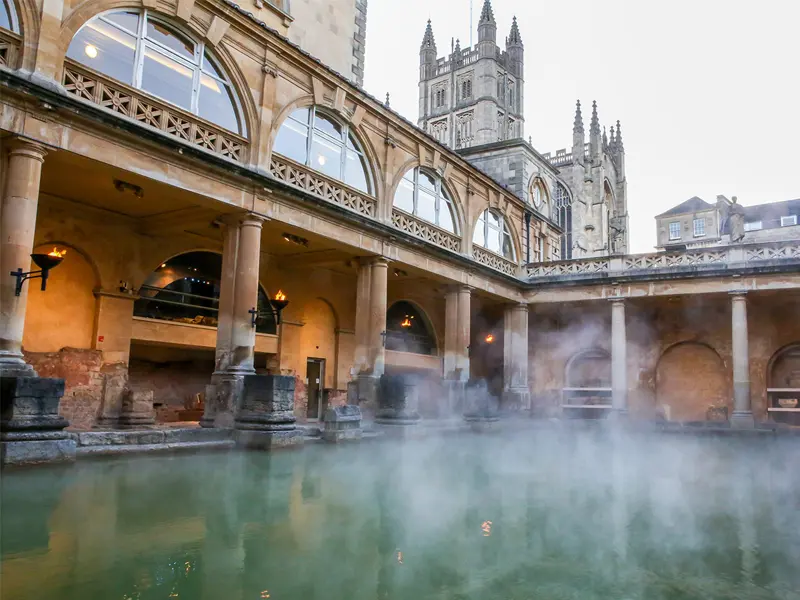
THE ROMAN BATHS
GOOD FOR: Ancient history and incredible archaeology
The absolute centrepiece of the city. Walk along the original Roman paving stones around the steaming Great Bath. The interactive audio guide is brilliant, fully explaining how the complex heated floors and curse tablets worked two millennia ago.
📍 LOCATION: Abbey Churchyard, City Centre
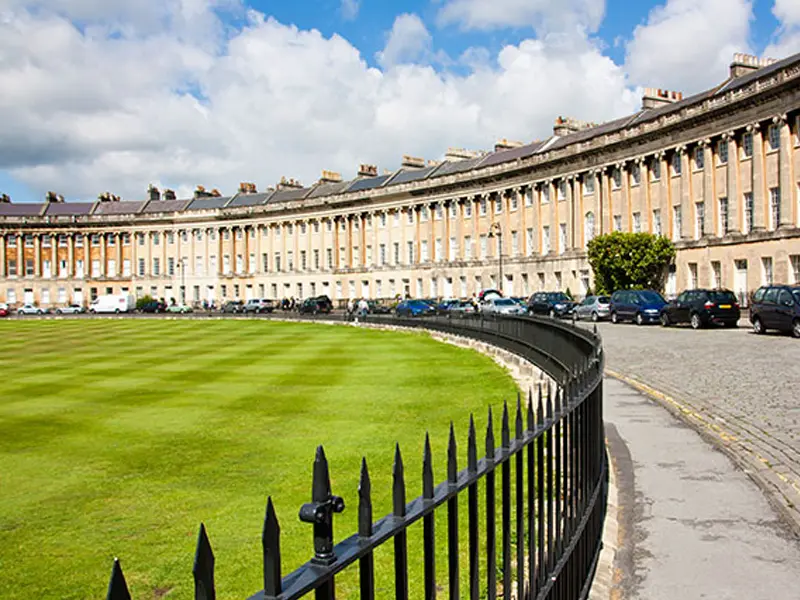
THE ROYAL CRESCENT
GOOD FOR: Stunning photography and Georgian grandeur
A truly jaw-dropping sweep of 30 terraced houses laid out in a massive curve overlooking a sloping green park. Visit No. 1 Royal Crescent to step inside a perfectly preserved, highly decorated aristocratic home from the 1700s.
📍 LOCATION: Royal Crescent, near Victoria Park
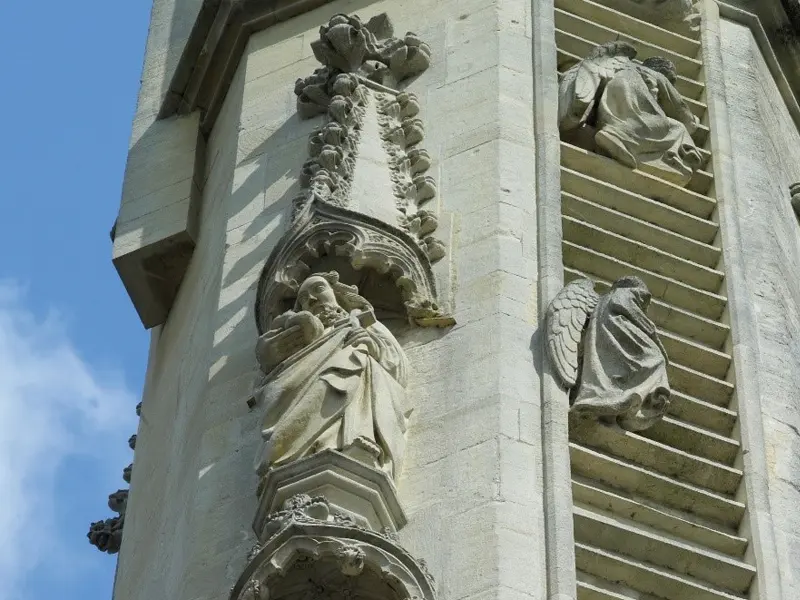
BATH ABBEY
GOOD FOR: Breathtaking vaulted ceilings and tower tours
Look at the exterior front wall to see the unique stone carvings of angels climbing up and down ladders. Once inside, the massive stained glass windows flood the pale stone with bright, colourful light.
📍 LOCATION: Abbey Churchyard
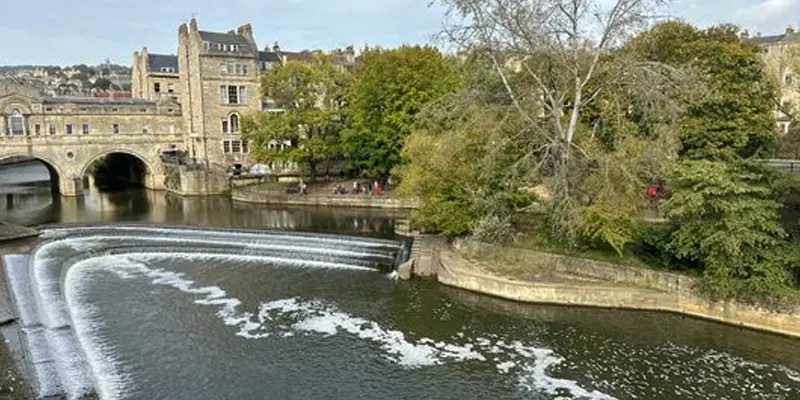
PULTENEY BRIDGE
GOOD FOR: Beautiful river views and quirky shops
One of only four bridges in the world to have shops built right across its full span on both sides. Walk across it to browse map shops, then walk down the steps to view the impressive, rushing horseshoe weir right below.
📍 LOCATION: Bridge Street / Argyle Street
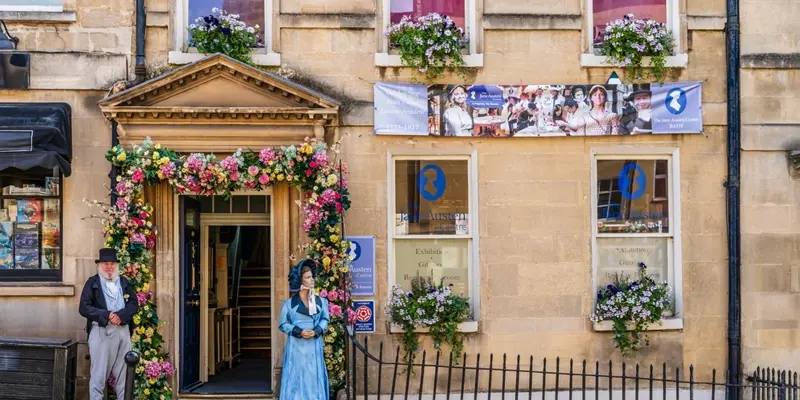
JANE AUSTEN CENTRE
GOOD FOR: Literary history and dressing up
A fun, heavily interactive museum detailing the author's life in the city. The incredibly enthusiastic staff dress in full Regency attire, and you can even try on bonnets and write with a genuine quill pen.
📍 LOCATION: Gay Street
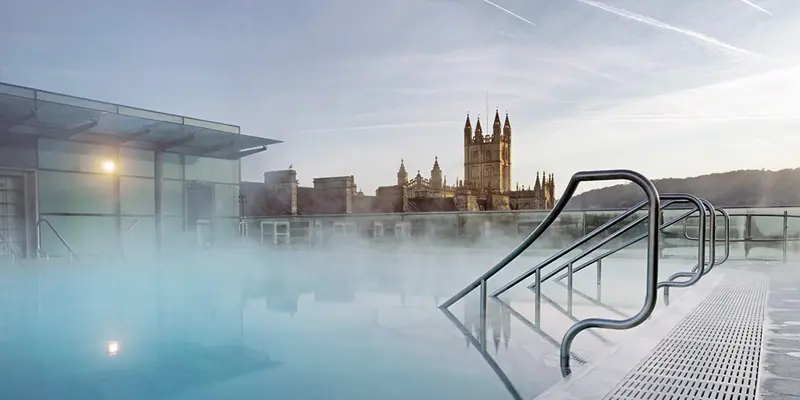
THERMAE BATH SPA
GOOD FOR: Ultimate relaxation and rooftop soaking
The only place in Britain where you can bathe in naturally warm, mineral-rich spring waters. Float in the spectacular open-air rooftop pool while looking straight across at the gothic spires of the Abbey.
📍 LOCATION: Hot Bath Street
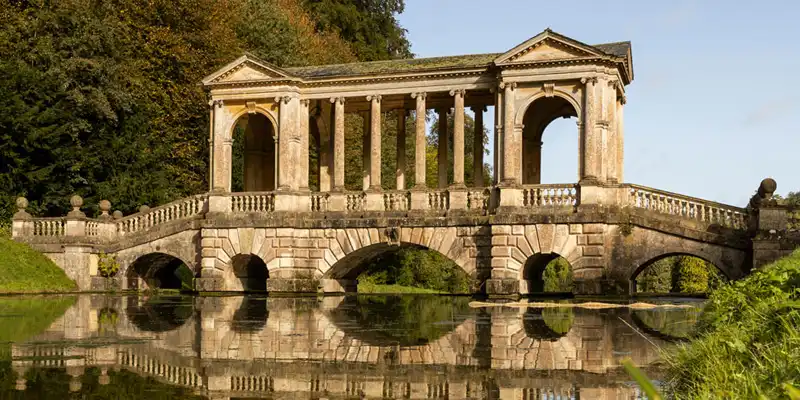
PRIOR PARK
GOOD FOR: Country walks and incredible valley views
A stunning, deeply green 18th-century landscape garden managed by the National Trust. Walk down the steep, sweeping valley to find the highly rare and perfectly photogenic Palladian Bridge sitting over the lakes.
📍 LOCATION: Ralph Allen Drive (Steep hill!)
Best Markets in Bath:
Shop and Eat Like a Local
Bath Guildhall Market
The oldest shopping venue in the city, operating for over 800 years. It is fully indoors, packed with colourful stalls selling incredible local cheeses, old books, and heavily spiced local sausages.
Bath Farmers' Market
Held every Saturday morning at Green Park Station (a brilliant old railway station with a huge glass roof). Pick up some spicy Somerset apple juice, freshly baked sourdough, and earthy organic vegetables directly from the farmers.
Bath Christmas Market
Running for a few weeks in late November and December. The streets around the Abbey are tightly packed with over 200 wooden chalets smelling heavily of roasted nuts and hot mulled cider.
What Souvenirs to Buy in Bath:
Must-Buy Keepsakes from Somerset
Local Soap & Scents

Perfect for a spa town. Grab highly fragrant, artisan soaps or bath salts from local independent shops to take the relaxing spa smell home with you.
£5 to £15
Austen Books

A classic piece of literature. Buy a beautifully bound, special edition copy of Pride and Prejudice from Mr B's Emporium or the Jane Austen Centre.
£10 to £30
Somerset Cider
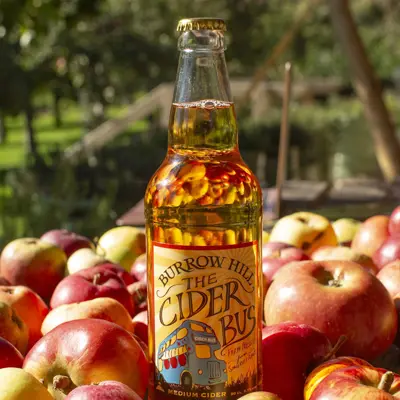
The true taste of the West Country. Pick up a few bottles of strong, deeply cloudy local cider from a farm shop or the Guildhall Market.
£4 to £12
Bath Gin
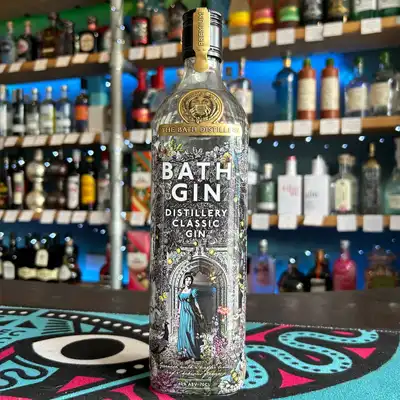
Distilled in the city. You can easily spot a bottle of Bath Gin by its iconic label featuring a highly cheeky, winking Jane Austen. It has a lovely citrus kick.
£35 to £45
Bath Cuisine: A Georgian Feast
What to Eat in the City
The Famous Buns
SALLY LUNN BUN: £8 to £12. Not a cake, but a massive, airy teacake hybrid. Eat it toasted in one of the oldest houses in Bath. The staircase up to the dining room leans at a wild, creaky angle. Get it slathered in sweet cinnamon butter.
BATH BUN: £4 to £6. A smaller, much denser, highly sugary bun studded with currants and topped with crushed sugar cubes. You can find them in almost every traditional bakery.
Savoury Classics
BATH CHAP: £12 to £18. A heavily historic local delicacy. It is the lower half of a pig's cheek, heavily salted, boiled, and roasted. Not for the faint-hearted, but deeply flavourful.
CORNISH PASTY: £5 to £7. Though technically from Cornwall down the road, it is a massive staple here. Grab a piping hot, thick pastry shell stuffed with beef and potato from a high street baker to warm your hands.
West Country Pints
TRADITIONAL SCRUMPY CIDER: £5 to £7. Somerset is the undeniable cider capital of the world. Sit by the fire in The Star Inn and order a cloudy, intensely apple-flavoured local pint. Beware: it is usually much stronger than it tastes!
AFTERNOON TEA: £30 to £55. Experience true Bridgerton vibes. Sit in the impossibly grand Pump Room right above the Roman Baths while a live classical string trio plays gently in the background.
Thermal Baths & Spa Experiences:
Relaxing Above the Skyline
Thermae Bath Spa Rooftop
The main attraction. The large, open-air rooftop pool is filled with naturally hot, steaming water. Floating here at sunset while gazing at the surrounding green hills and abbey tower is absolutely spectacular.
The Cross Bath
A much smaller, separate historic building just across the street. It features a completely private, intimate open-air thermal pool. It is highly recommended to book this out exclusively for a small group or couple.
The Gainsborough
A deeply luxurious, five-star hotel that actually has exclusive access to the natural thermal waters piped directly into their Romanesque spa village beneath the hotel. Pure indulgence.
Bath Culture:
Daily Quirks of the City
Street Buskers
Because the city draws huge crowds and has incredible natural acoustics bouncing off the stone walls, the street performers here are top-tier. Expect highly trained opera singers and classical guitarists in the Abbey Churchyard.
The Aggressive Gulls
Despite being inland, Bath has a massive, highly confident seagull population. If you buy a hot pasty or sausage roll, guard it with your life. They will swoop down and steal it directly from your hand.
Rugby Obsession
Bath is a massive rugby town. On a match day, the pubs are completely packed with fans wearing blue, black, and white. The Rec stadium is situated right in the centre of the city on the riverbank.
Regency Cosplay
Do not be shocked if you walk past a group of people wearing full top hats, flowing cloaks, and parasols on a random Tuesday. The Jane Austen tourism industry here is massive and deeply dedicated.
Cobblestone Navigation
Walking around requires constantly looking down. The ancient flagstones have worn completely smooth and highly uneven over centuries. Add a splash of rain, and walking down steep Lansdown Road is an extreme sport.
Cosy Pub Corners
Pubs here lean heavily into their history. Expect incredibly low ceilings, roaring log fires in the winter, heavily worn wooden floorboards, and a very relaxed, dog-friendly atmosphere.
Bath Architectural Styles:
The Golden City
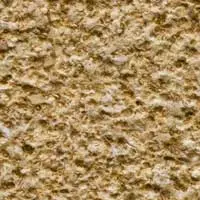
The Iconic Bath Stone
Almost the entire city is constructed from Oolitic limestone, quarried locally from the surrounding hills. This stone has a very distinctive, warm golden-honey colour that completely defines the visual identity of Bath. On a sunny evening, the entire city looks like it is glowing.
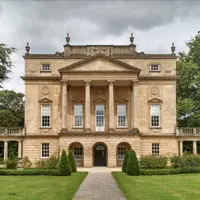
Georgian Palladian
In the 18th century, architects John Wood the Elder and Younger radically transformed the city using the Palladian style. It focuses heavily on perfect symmetry, classical columns, and massive, sweeping curves. They designed townhouses to look like single, highly imposing palaces from the street, creating perfectly unified facades like The Circus.
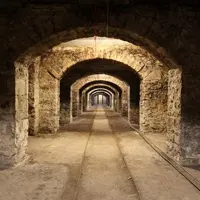
Vaulted Basements
Bath’s historic vaults are a common feature of 18th- and 19th-century buildings. They were usually built to support the highway above and to create a level site on Bath’s steep terrain. Traditionally, they were used for coal storage and service areas for the houses above, and many have since been repurposed.
Unique Experiences to Do in Bath:
Beyond the Standard Guidebooks
The Dark Horse
Walk down an unassuming staircase to find this deeply moody, highly acclaimed underground cocktail bar. They use locally foraged ingredients and West Country spirits in a stunning, velvet-lined setting.
Ghost Walks
Join a guided walking tour late at night. The deeply historical alleyways, dark stone walls, and lingering mist make the gruesome local tales of duels, plagues, and poltergeists feel incredibly real.
Victoria Art Gallery
Skip the crowded major sights for an hour and visit this brilliant public art gallery right next to Pulteney Bridge. Entry to the permanent collection is free, while some temporary exhibitions are ticketed.
BEST SPORTS & OUTDOOR ACTIVITIES IN BATH:
Get Active in the Countryside
Punting on the Avon
Rent a traditional wooden punt from the boating station at Bathwick. Slowly pushing yourself along the deeply green river past overhanging weeping willows is the perfect summer afternoon.
The Bath Skyline Walk
A brilliantly signposted 6-mile circular route maintained by the National Trust. It takes you entirely out of the valley up into the surrounding hills, rewarding you with sweeping, panoramic views down over the golden city.
Cycle the Canal
Hire a bike and ride out along the completely flat towpath of the Kennet and Avon Canal. You can easily cycle all the way out to the incredibly quaint nearby village of Bradford-on-Avon for a pub lunch.
Things to Do in Bath with Kids:
Family Fun in the Valley
Mary Shelley's House
A deeply atmospheric, slightly spooky museum dedicated to Frankenstein. Older kids will absolutely love the dark corridors, jump scares, and the highly engaging escape room in the basement.
Royal Victoria Park
A truly massive green space right below the Royal Crescent. It features an absolutely enormous, sprawling adventure playground, a duck pond, crazy golf, and plenty of space for a picnic.
Herschel Museum of Astronomy
A fascinating, family-friendly museum in the home of William Herschel. Kids can explore hands-on exhibits and learn how Herschel discovered the planet Uranus from Bath.
Festivals in Bath:
When the City Comes Alive
Jane Austen Festival (Sept)
Ten days in September where the city steps completely back in time. The highlight is the massive Grand Regency Costumed Promenade, where hundreds of people in flawless period dress parade through the central streets.
Bath Christmas Market (Nov/Dec)
One of the most famous and highly awarded Christmas markets in the UK. The chalets completely weave around the Abbey and Roman Baths. It is incredibly festive but brace yourself for seriously massive crowds.
The Bath Festival (May)
A brilliant multi-arts festival kicking off the summer. Expect live music venues spilling out onto the pavements, highly engaging author talks, and a massive opening night celebration known as Party in the City.
Bath Itinerary Ideas:
How to Spend Your Time
The 1-Day Rush
MORNING: Arrive early and head straight into the Roman Baths to beat the massive coach groups. Look around Bath Abbey right next door.
AFTERNOON: Walk up to the Circus and the Royal Crescent. Grab a late, heavy lunch at Sally Lunn's Historic Eating House.
EVENING: Soak your tired legs in the steaming rooftop pool at the Thermae Bath Spa before catching your train home.
The Weekend Explorer
DAY 1: Follow the historic trail above, but add in the Jane Austen Centre and a walk across the beautiful Pulteney Bridge.
DAY 2: Walk up the steep hill to Prior Park to see the Palladian Bridge. Walk back down along the canal towpath, stopping at a highly traditional pub like The Star Inn for a pint of cider and a pie.
Day Trips
BRISTOL: Catch a 15-minute train to explore incredible street art, a massive harbourside, and a highly vibrant, grungy music scene.
STONEHENGE: Book a half-day coach tour from Bath to wander around this deeply mysterious, ancient stone circle out on Salisbury Plain.
THE COTSWOLDS: Take a guided bus tour north into the hills to see completely perfect, honey-stone villages like Castle Combe and Lacock.
A Perfect Day in Bath:
Experience the City Like a Local
09:00 AM
Grab a fiercely strong flat white from Colonna and Small's. Take your coffee and walk slowly up to the Royal Crescent before the crowds arrive, taking photos on the empty green lawn.
11:00 AM
Descend into the deeply atmospheric Roman Baths. Walk the uneven ancient stones, smell the rising sulphur, and marvel at the intricate drainage systems still working perfectly today.
01:30 PM
Navigate the narrow alleys to find Sally Lunn's. Climb the wildly sloped staircase and demolish a massive, freshly baked bun slathered in butter and jam.
06:00 PM
Watch the sunset from the naturally hot rooftop pool at the Thermae Bath Spa. Follow it up with a pint of cloudy local cider and a heavy pub roast.
Bath Budget Scale:
Cost of Visiting the Spa City (Lower = Cheaper)
Transport
SCORE: 2/10
It is brilliant because walking is entirely free. The city centre is extremely compact. Unless you take a bus up the steep hills, you will spend very little on transport.
Accommodation
SCORE: 9/10
Bath is a premium destination. Budget hotels are limited, and central stays in Georgian townhouses can easily push £200+ per night in peak periods, especially on summer weekends.
Food
SCORE: 6/10
Dining out is on the pricier side for the South West. A classic pub main is often around £16 to £22, and afternoon teas can quickly become a “treat” expense.
Alcohol
SCORE: 6/10
Expect tourist-centre pricing in many pubs and cocktail bars. A pint is often in the mid-to-high single digits, and cocktails in boutique bars are typically premium-priced.
Attractions
SCORE: 8/10
The major heavyweights are expensive. Roman Baths advance ticket prices are date-based and are £2 cheaper than on-the-day prices; for example, adult advance tickets for 1–4 January 2026 are £29.00 (prices vary by date). Thermae Bath Spa’s 2-hour “Thermae Welcome” session is £44 (Mon–Fri) or £49 (Sat–Sun). Walking the Royal Crescent is free, but Bath Abbey uses an admission ticket (currently £9 adult; BA1/BA2 residents and Discovery Card holders can enter free).
Shopping
SCORE: 7/10
Milsom Street is packed with high-end brands and artisan boutiques. You can spend a lot quickly, though weekend markets can be more budget-friendly.
OVERALL BATH COST SCORE:
Trav's Travel Hacks to Save Money in Bath:
Smart Tips to Stretch Your Budget
Bath is stunning, but it can empty your wallet rapidly! Use my clever tips to save your cash for another pint of cider.
Check out these amazing money-saving tips:
Combined Tickets
Book the Roman Baths online in advance to save money (online tickets are typically cheaper than on-the-day). If you’re a local resident, the Discovery Card scheme gives free entry to the Roman Baths and the Victoria Art Gallery.
Free Walking Tours
Do not pay for expensive guided walks. Look out for the incredibly passionate Mayor's Honorary Guides. They offer completely free, highly detailed walking tours starting from the Abbey churchyard every single day.
Pasty Picnics
Skip the expensive sit-down cafes. Grab a massive, hot Cornish pasty from a bakery for £5 and take it to the green slopes of the Royal Crescent for a brilliant, cheap lunch with a world-class view.
What You Need to Know Before Visiting Bath:
Etiquette and Essential Rules
Do Not Drive
This cannot be stressed enough. Bath has a strict Clean Air Zone, heavy traffic, and confusing one-way loops designed for horses, not cars. If you must drive, use the massive Park and Ride facilities on the outskirts.
Proper Footwear
The entire city is built on severe hills and covered in uneven, ancient cobblestones. Leave the high heels and thin sandals at the hotel. Sturdy, comfortable walking shoes are absolutely mandatory.
Seagull Defence
Do not feed the gulls. They are highly aggressive and will target anyone eating outdoors. If you sit on a bench with a sandwich, keep a sharp eye on the sky, or they will swoop and take it.
Bath Survival Guide:
Tips for Navigating the City
Book the Baths
The Roman Baths get completely overwhelmed by midday. Book your timed entry tickets online in advance for 9:00 AM. You will walk straight in and actually be able to hear the water trickling.
Taste the Water
At the end of the Roman Baths tour, there is a fountain where you can safely drink the spa water. It tastes heavily of warm iron and sulphur. Drink it anyway. It is a genuine 2,000-year-old tradition.
Cashless City
Like most of the UK, Bath operates almost entirely on contactless card payments. From the pub to the museum gift shop, simply tap your phone or card.
Service Charge
Check your restaurant bill. A discretionary 10% to 12.5% service charge is usually added automatically. If it is there, you do not need to leave a separate cash tip.
Offline Map
The towering stone buildings and deep valley location mean mobile signal can randomly drop out in the centre. Download a Google Map of the city to use offline just in case.
UK Plugs
Remember that the UK uses the chunky, three-pronged Type G plug. Buy your adapter before travelling so you can charge your phone to take endless photos of the architecture.
Bath Safety Basics:
Staying Safe in Somerset
Very Safe Streets
Opportunistic Theft
River Danger
How to Avoid Tourist Traps in Bath:
Don't Get Tricked
Fake Tour Guides
If someone approaches you informally on the street offering a paid walking tour, decline. Only book through official offices or use the brilliant, completely free Mayor's Honorary Guides who wear clearly marked badges.
Overpriced Abbey Cafes
The cafes situated immediately around the Abbey Churchyard charge heavily inflated tourist prices for a mediocre cup of tea. Walk just two streets away to find much better, highly authentic independent coffee shops.
The Parking Fines
The biggest trap is not a scam, but the local council. Driving through a clearly marked bus lane or parking in a residential permit zone for five minutes will result in a massive, unavoidable automatic fine sent to your rental car company.
What Nobody Tells You About Bath:
The Honest Truth
The Hills are Brutal
The beautiful photos never show the gradients. The city centre is flat, but walking up to Lansdown or Prior Park feels like an actual mountaineering expedition. Prepare to sweat heavily on the inclines.
It All Looks the Same
Because absolutely every building is made from the exact same golden Bath stone, it is incredibly easy to get completely lost. One curved, highly elegant Georgian terrace looks exactly like the next one over.
The Spa is Crowded
The marketing images show a totally empty rooftop spa pool. In reality, on a Saturday afternoon, it is packed shoulder-to-shoulder with people chatting loudly. Go early on a Tuesday for a deeply relaxing vibe.
WHERE TO GO NEXT:
POPULAR DESTINATIONS IN ENGLAND
FAQs ABOUT BATH:
Common Questions About the Spa City