

CORNWALL TRAVEL GUIDE
Cornwall is brilliant, but it is not a pristine, sun-drenched theme park. To be honest, you are just as likely to get caught in a horizontal rainstorm on a cliff edge as you are to get a tan. But that is exactly what makes it so special. It is a county of wild contrasts. You will find tiny fishing villages squeezed into rocky coves, massive stretches of golden sand, and ancient tin mines clinging to the cliffs. Whether you want to learn to surf at Fistral Beach, walk the rugged South West Coast Path, or just eat your body weight in clotted cream, our Cornwall travel guide gives you absolutely everything you need to know to survive the incredibly narrow lanes and plan a proper trip down west.
Discover Cornwall: The Ultimate Guide
Essential Info to Know Before Visiting
Currency
British Pound Sterling (£)
Population
Approximately 570,300 (Census 2021)
Status
Ceremonial County
Nearest Airports
Newquay (NQY)
Exeter (EXT)
Bristol (BRS)
Key Districts
1. North Coast: Huge surf beaches
2. South Coast: Quiet coves and sailing
3. West Penwith: Wild and ancient
4. Bodmin Moor: Rugged inland trails
5. The Roseland: Beautiful hidden creeks
Emergency Contacts
🚓 Police, Fire, Ambulance, Coastguard: 999
📞 Non-Emergency Police: 101
⚕️ Non-Emergency Medical: 111
Why You Should Visit Cornwall:
8 Reasons to Love the South West
The Beaches
Cornwall has over 300 beaches. Some are massive stretches of golden sand, while others are tiny, hidden pebble coves accessible only by foot.
Epic Surfing
This is the undisputed surfing capital of the UK. Catching a wave at Fistral Beach or Polzeath is practically a local religion.
The Food
You have not lived until you have eaten a steaming hot, peppery Cornish pasty while sitting on a harbour wall watching the fishing boats.
Coast Path
The South West Coast Path runs the entire length of the county. The cliff-top walks offer breathtaking views and serious leg workouts.
Tropical Gardens
Thanks to the mild Gulf Stream, Cornwall has incredible gardens like Heligan and Trebah, full of giant ferns and vibrant exotic flowers.
Ancient History
Explore the atmospheric ruins of Tintagel Castle, which is steeped in Arthurian legend, or wander around mystical stone circles on the moors.
Art Scene
The unique coastal light has attracted painters for decades. St Ives is packed with brilliant independent galleries and the famous Tate museum.
Harbour Towns
Wandering through places like Port Isaac or Mousehole feels like stepping onto a film set. They are incredibly charming and full of character.
Who Should Visit (And Who Shouldn't):
Is Cornwall Right For You?
WHO WILL LOVE IT
WHO MIGHT HATE IT
Does Cornwall Have...?
Quick answers for first-time visitors
Sandy Beaches?
Absolutely. From the vast dunes of Perranporth to the white sands of Porthcurno, the beaches here are genuinely world-class.
Reliable Sunshine?
No. The weather is notoriously fickle. You can experience bright sunshine, sea mist, and heavy rain all in the space of three hours.
Great Seafood?
Yes. Towns like Padstow and Newlyn serve some of the freshest, most incredible crab, lobster, and mussels in Europe.
Good Public Transport?
Not really. While branch train lines are beautiful, the bus network is slow. A car is almost essential to see the best hidden spots.
Wild Nightlife?
Yes, but mostly limited to Newquay. The rest of the county is much more about quiet pints in a local pub by a roaring fire.
High Mountains?
No. The landscape features rolling hills and rugged moorland, but nothing resembling a proper mountain. The highest point is Brown Willy on Bodmin Moor.
Historic Ruins?
Yes. The clifftops are dotted with the iconic stone engine houses of old tin mines, and Iron Age forts are everywhere.
Accessibility?
It can be tough. Many fishing villages have incredibly steep, cobbled hills, and most small coves require navigating rocky steps.
Fun Facts About Cornwall:
Things You Didn't Know

Squawk! Did you know Cornwall has around 422 miles of coastline? That’s one of the longest of any English county!
Here are a few more squawkin' good facts:
Its Own Language
Cornwall has its own ancient Celtic language called Kernewek. You will see it printed on some road signs alongside English, and there is a growing movement to keep it alive.
Protected Pasties
The Cornish Pasty has Protected Geographical Indication status. If it is not actually made in Cornwall with a specific recipe, it legally cannot be sold as a true Cornish pasty!
The Great Jam Debate
When eating a cream tea in Cornwall, you must spread the strawberry jam on the scone first, followed by a dollop of clotted cream. Do it the other way around, and you are eating it the Devon way, which is a local crime.
Location of Cornwall:
Where to Find the County
Geographic Location
Cornwall forms the rugged, extreme south-western peninsula of Great Britain. It is a wild strip of land jutting straight out into the wild Atlantic Ocean.
Neighbouring Regions
It only has one land border. It borders the county of Devon to the east, separated almost entirely by the beautiful River Tamar.
Isolation
Because it is at the very end of the country, it takes a long time to get here. Driving from London to the tip at Land's End can easily take six hours on a good day.
Cornwall History:
From Celts to Tin Miners
The history here is deeply tied to the land and the sea. Cornwall feels ancient because it is. From smugglers hiding in sea caves to the boom of the industrial revolution, the past is visible everywhere.
-
Bronze Age Roots
Long before the Romans arrived, early settlers built stone circles, fogous, and quoits across the moors. Places like Lanyon Quoit still stand as mysterious reminders of these ancient people.
-
Celtic Independence
Unlike the rest of England, Cornwall strongly resisted Anglo-Saxon rule. It retained its own distinct Celtic culture, language, and fiercely independent identity for centuries.
-
The Smuggling Era
During the 18th century, high taxes meant smuggling was rampant. Locals would sneak brandy, tea, and tobacco ashore in hidden coves under the cover of darkness to avoid customs officers.
-
The Mining Boom
In the 19th century, Cornwall was a global powerhouse for tin and copper mining. Thousands worked in deep, dangerous shafts that extended far out under the ocean floor.
-
Arrival of the Railway
The opening of the Royal Albert Bridge in 1859 finally connected Cornwall to the main rail network, transforming the county into a massive holiday destination for wealthy Victorians.
-
Modern Tourism
Today, with the decline of mining and fishing, tourism is the lifeblood of the county. Surfing culture exploded in the 1960s, completely changing the vibe of towns like Newquay.
Cornwall Weather Overview:
Understanding the Coastal Climate
Spring (Mar to May)
Summer (Jun to Aug)
Autumn (Sep to Nov)
Winter (Dec to Feb)
Airport Transfers:
Flying into the South West
Newquay (NQY)
The only commercial airport actually in Cornwall. It is tiny and very easy to navigate. You will need to hire a car or pre-book a taxi to get to your accommodation, as bus links are poor. Taxi to Newquay town is about £25.
Exeter (EXT)
Located in neighbouring Devon, about an hour and a half drive from the Cornish border. It offers more flight options than Newquay. Hiring a car right at the terminal is your best bet here.
Bristol (BRS)
A major international airport, but it is a solid two-and-a-half-hour drive to Cornwall. It is often the cheapest place to fly into, but factor in the cost of a long train ride or car hire to complete the journey.
Major Train Stations:
Arriving by Rail
Truro & St Austell
These are the main central hubs on the Great Western Railway line from London Paddington. Truro connects you nicely to the Falmouth branch line.
Penzance (Night Riviera)
Penzance is literally the end of the line. Worth knowing, you can catch the famous Night Riviera sleeper train from London Paddington late evening (services usually depart just before midnight) and wake up in Penzance early the next morning (always double-check the live timetable when booking).
Getting Around Cornwall:
Navigating the Country Lanes
Car Hire
If I'm honest, a car is essential if you want to explore properly. Just be prepared for terrifyingly narrow single-track lanes lined with high stone hedges where you will frequently have to reverse for tractors.
First Kernow Buses
The bus network is scenic but painfully slow. The national fare cap means many single journeys are no more than £3 on participating routes (currently extended until 31 March 2027), which is a brilliant budget saver if you have time to spare.
Branch Train Lines
Skip the traffic and take the scenic route. The St Ives Bay Line from St Erth is widely considered one of the most beautiful short train rides in Europe, wrapping right around the sandy coast.
Walking
The South West Coast Path connects almost every coastal town. It is free, healthy, and offers views you simply cannot get from a car window. Pack proper hiking boots.
Local Ferries
In areas like Falmouth and Fowey, taking a small passenger ferry across the river is often faster than driving miles inland to find a bridge. Plus, it is a lovely experience.
Cycling
Cornwall is incredibly hilly, so cycling on the roads is tough. However, flat, dedicated trails like the Camel Trail (Padstow to Bodmin) are brilliant for a safe family bike ride.
Taxis
Do not expect to hail an Uber. Local taxi firms must be called and booked well in advance, especially if you need a lift home from a rural pub late at night.
The Coaster Bus
In summer, open-top buses like the Atlantic Coaster run along the north coast. Sitting on the top deck provides completely unobstructed, breezy views of the ocean.
Cornwall Hotel Guide:
Where to Sleep by the Sea
Newquay / Perranporth
BUDGET AND SURF
PRICE RANGE: £30 to £100 per night
Ideal for: Backpackers, surfers, massive campsites, and easy access to lively beach bars.
Falmouth / Penzance
MID-RANGE TO PRICEY
PRICE RANGE: £90 to £200 per night
Ideal for: Charming B&Bs, great transport links, incredible foodie scenes, and maritime history.
St Ives / Padstow
LUXURY AND CLASSIC
PRICE RANGE: £250+ per night
Ideal for: Boutique luxury hotels, Michelin-starred dining, and postcard-perfect harbour views.
PRICE WATCH:
PEAK (JULY TO AUGUST): Expect the highest rates and strict minimum 7-night stays at most cottages. Book a year in advance.
GOOD VALUE (MAY & SEPTEMBER): The weather is usually great and prices drop considerably.
LOWEST (NOVEMBER TO FEBRUARY): Dirt cheap, but many local restaurants and attractions will be closed for the season.
Cheapest Areas to Stay in Cornwall:
Budget-Friendly Bases
Camborne & Redruth
These old mining towns aren't as pretty as the coastal villages, but they are incredibly cheap, situated right on the A30, and only a 15-minute drive from the beautiful north coast beaches.
Bodmin
Sitting right in the middle of the county, Bodmin offers great budget chain hotels. It is the perfect central base if you plan on driving to different coasts every day.
St Austell
A larger town with plenty of affordable B&Bs. It lacks the boutique charm of nearby Fowey, but it puts you incredibly close to the Eden Project and the Lost Gardens of Heligan.
Top Must-Visit Attractions in Cornwall:
Explore the Best of the South West

THE EDEN PROJECT
GOOD FOR: Families and rainy days
Massive, futuristic bubble biomes built into an old clay pit. You can walk through a steaming indoor rainforest, complete with a canopy walkway and waterfalls, then wander into a Mediterranean landscape.
📍 LOCATION: Bodelva, near St Austell
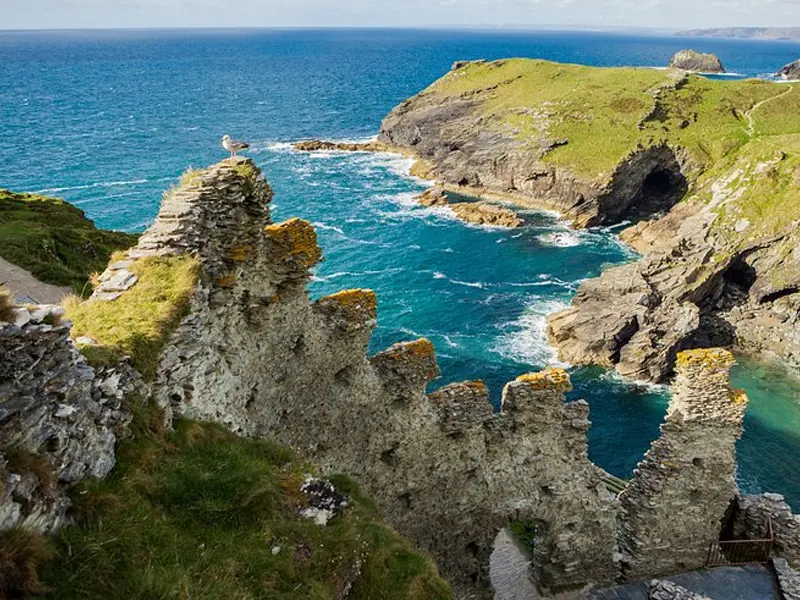
TINTAGEL CASTLE
GOOD FOR: Arthurian legend and dramatic scenery
Explore the stunning ruins of a medieval castle clinging to a rocky headland, linked by a dizzying footbridge. Down on the beach, you can venture inside Merlin's Cave when the tide is out.
📍 LOCATION: Tintagel, North Coast
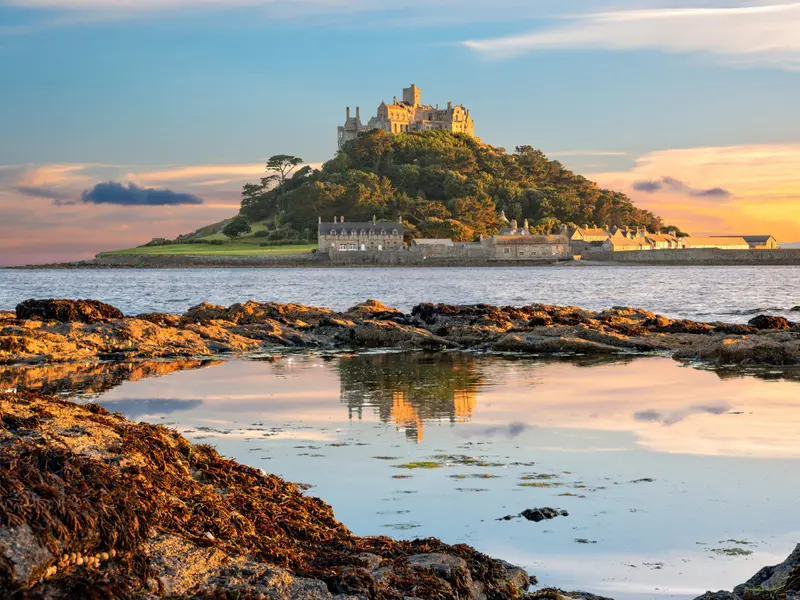
ST MICHAEL'S MOUNT
GOOD FOR: Fairy tale vibes and tidal causeways
A majestic castle set on a tidal island. When the tide is low, you can walk across the ancient cobbled causeway from Marazion. When it comes in, you have to catch a small boat back to the mainland.
📍 LOCATION: Marazion, near Penzance
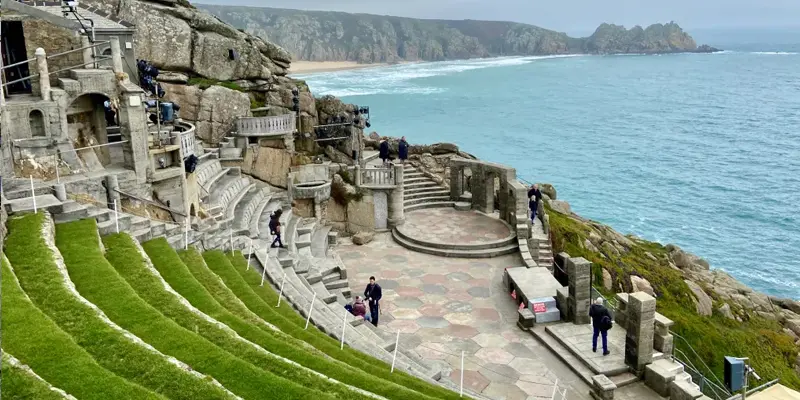
THE MINACK THEATRE
GOOD FOR: Outdoor performances and ocean views
An incredible open-air theatre carved entirely by hand into the granite cliffs overlooking Porthcurno bay. Watching a play here while dolphins swim in the background is unforgettable.
📍 LOCATION: Porthcurno
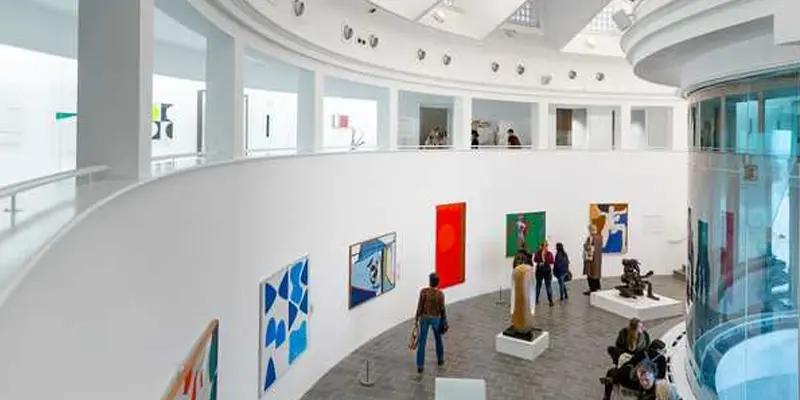
TATE ST IVES
GOOD FOR: Modern British art
A stunning circular gallery sitting right on Porthmeor Beach, celebrating the massive influence that St Ives had on modern British artists in the 20th century.
📍 LOCATION: St Ives

LOST GARDENS OF HELIGAN
GOOD FOR: Jungle boardwalks and giant plant sculptures
One of the most mysterious estates in England, lost to brambles after WWI and lovingly restored. Walk over rope bridges through thick bamboo tunnels in the "Jungle" area.
📍 LOCATION: Pentewan, St Austell
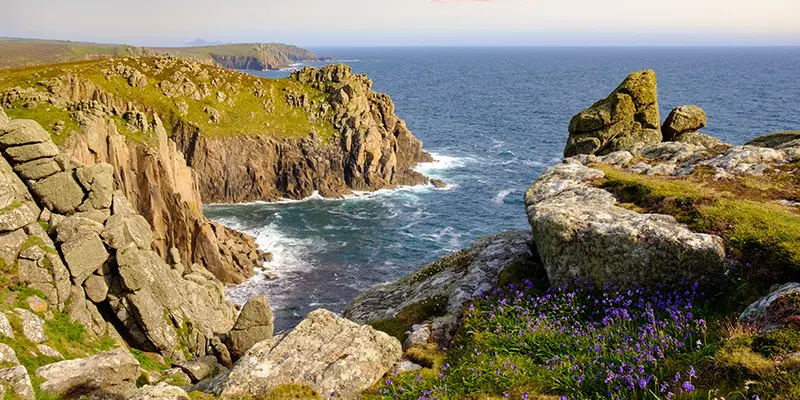
LAND'S END
GOOD FOR: Ticking off a geographical bucket list
The most westerly point of mainland England. It is a bit commercialised with gift shops, but standing on the very edge of the cliffs watching the waves crash is still quite powerful.
📍 LOCATION: Sennen
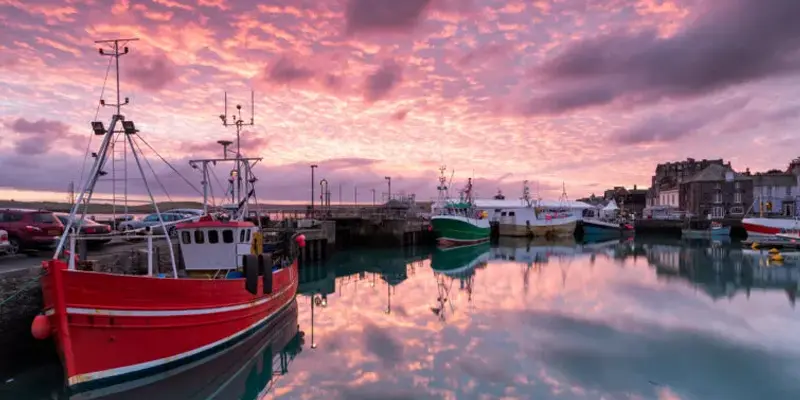
PADSTOW HARBOUR
GOOD FOR: Incredible food and boat trips
A bustling, wealthy fishing port famous for its connection to celebrity chef Rick Stein. Grab some fish and chips, but guard them with your life against the swooping seagulls.
📍 LOCATION: North Coast
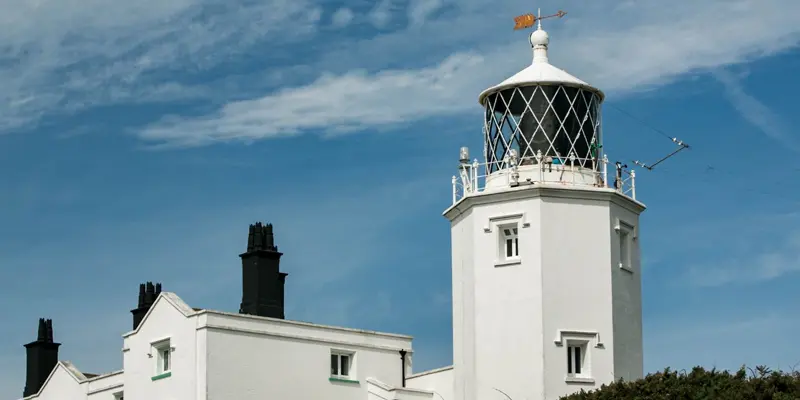
LIZARD POINT
GOOD FOR: Dramatic scenery and seal spotting
The actual most southerly point of mainland Great Britain. It is much wilder and less commercial than Land's End. Look out for grey seals bobbing in the water right below the lighthouse.
📍 LOCATION: The Lizard Peninsula
Best Markets in Cornwall:
Shop and Eat Local
Truro Farmers Market
Held on Lemon Quay on Wednesdays and Saturdays. It is brilliant for picking up local cheeses, spicy Cornish sausages, and freshly baked saffron buns.
St Ives Farmers' Market
Running on Thursdays in the Guildhall, this is a great spot to find local crafts, handmade soaps, and amazing local honey alongside the fresh veg.
Penzance Country Market
A proper traditional market where everything is locally produced. Perfect for buying thick, homemade jams to take back to your holiday cottage.
What Souvenirs to Buy in Cornwall:
Must-Buy Keepsakes
Leach Pottery

Beautiful handmade ceramics. St Ives is famous for its studio pottery, and picking up a hand-thrown mug is a genuinely beautiful souvenir.
£15 to £50
Seasalt Clothing

Classic coastal fashion. The famous Cornish brand makes high-quality striped sailor tops and brilliant raincoats that you will actually need.
£25 to £80
Cornish Fudge
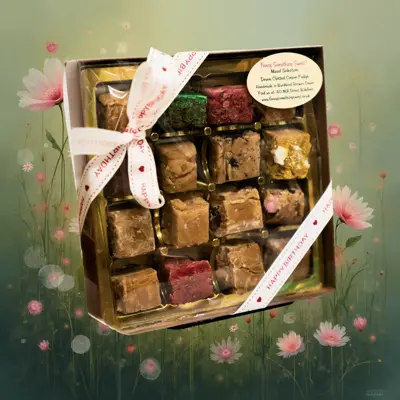
Sweet clotted cream fudge. Walk past a fudge shop in any harbour town and the buttery smell will force you inside. Buy a mixed box.
£5 to £15
Local Gin

A taste of the coast. Pick up a wax-sealed bottle of Tarquin's Gin, distilled near Padstow with local Devon violets and fresh citrus.
£30 to £40
Cornish Cuisine: Local Flavours
What to Eat Down West
The Classics
CORNISH PASTY: £4 to £6. Beef, potato, swede, and onion wrapped in pastry and crimped on the side. Expect a massive queue for pasties at St Ives Bakery, but it moves fast.
CREAM TEA: £6 to £10. A fresh scone, strawberry jam, and thick Cornish clotted cream. Remember the golden rule, jam first!
SAFFRON BUN: £2 to £3. A bright yellow, lightly spiced yeast bun flavoured with saffron and packed with dried fruit.
Fresh Seafood
CRAB SANDWICH: £9 to £14. Order one at a beach shack like the Hidden Hut. Massive chunks of white crab meat in thick bread.
FISH AND CHIPS: £10 to £15. Eat them out of the paper while sitting on a harbour wall. Rick Stein's chippy in Padstow is famous for it.
MONKFISH CURRY: £22 to £30. The Porthminster Beach Cafe in St Ives doing an incredible Asian-inspired monkfish that is genuinely unforgettable.
Local Drinks
CORNISH CIDER: £5 to £6. Rattler is the famous cloudy cider here. Be warned, it goes down like juice but it is deceptively strong!
DOOM BAR ALE: £5 to £6. Named after the treacherous sandbank in the Camel Estuary, this is the classic local bitter you will find in every single pub.
Best Nightlife Areas in Cornwall:
Where to Head After Dark
Newquay
This is the undisputed party capital of Cornwall. After the surfers pack up, the beach bars on Fistral fire up, and the town centre clubs get incredibly busy, especially during stag and hen season.
Falmouth
Thanks to the university, Falmouth has a brilliant, slightly alternative nightlife scene. You will find excellent indie pubs, live music venues like The Cornish Bank, and great craft beer spots.
St Ives
If you prefer a quieter night out, St Ives is perfect. It is less about loud clubs and more about sitting in the historic Sloop Inn with a pint of ale, or drinking wine on a terrace overlooking the harbour.
Cornish Culture:
Daily Quirks of the County
Doing it "Dreckly"
The Cornish word "dreckly" means directly, but it translates loosely to "sometime in the future, maybe". It represents the incredibly relaxed, unhurried pace of life down here.
The Tractor Reverse
When driving down a lane, you must be prepared to reverse. If you meet a tractor, it is an unspoken law that the car reverses to the nearest passing place, no matter how far back it is.
Seagull Defence
Eating outside requires vigilance. Cornish seagulls are massive and completely fearless. They will literally snatch an entire pasty out of your hands if you are not watching the sky.
The Jam First Law
We mentioned it already, but it is serious. Jam first on the scone, then clotted cream. Doing it the other way will invite stares from locals in any tearoom.
Wild Swimming
No matter how cold it is, you will always see locals swimming in the sea at dawn. It is a massive part of the coastal lifestyle, usually followed immediately by a hot coffee.
'Alright My 'Ansome'
Do not be surprised if shopkeepers call you "my lover" or "my 'ansome". It is a completely standard, warm, and friendly local greeting.
Cornwall Landscape & Architecture:
Built from the Earth

Granite Cottages
To withstand the brutal winter storms off the Atlantic, older Cornish houses are built with incredibly thick granite walls and tiny windows. In fishing villages, they are crammed together tightly along winding alleys to block the wind.

Engine Houses
The most iconic silhouette in Cornwall. These tall, brick and stone chimney stacks dot the cliffs, especially around St Just. They housed massive steam engines used to pump water out of the deep tin and copper mines.
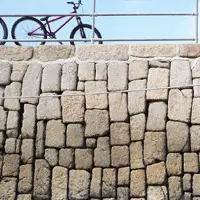
Historic Harbours
Places like Charlestown (frequently used as a filming location for Poldark) showcase incredible Georgian harbour engineering, with massive curved stone walls built to protect the fragile fishing fleets from the raging sea.
Unique Experiences in Cornwall:
Beyond the Beach
Seal Spotting Safaris
Book a fast RIB boat trip out of Padstow or St Ives. Bouncing over the waves to find massive colonies of grey seals sunbathing on offshore rocks is a brilliant thrill.
Coastal Foraging
Join a local expert to walk the shoreline and learn how to identify edible seaweeds, wild garlic, and rock samphire. You usually end up cooking what you find on a beach fire.
Bodmin Jail Ghost Walk
The old Bodmin Jail is incredibly creepy. Do the late-night guided tour through the dark, echoing corridors where notorious smugglers and criminals were once held.
BEST SPORTS & OUTDOOR ACTIVITIES:
Get Active on the Coast
Surfing Lessons
You simply have to try it. Book a two-hour beginner lesson at Watergate Bay. The instructors provide thick winter wetsuits, so you will not even feel the cold water.
Coasteering
Put on a helmet and a buoyancy aid, then scramble over coastal rocks, explore sea caves, and jump straight off cliffs into the deep ocean. It is terrifying but amazing.
Stand Up Paddleboarding
If the north coast is for surfing, the calm, sheltered estuaries of the south coast (like the River Fal) are absolutely perfect for a peaceful afternoon on a paddleboard.
Things to Do in Cornwall with Kids:
Family Fun by the Sea
Rock Pooling
The ultimate free activity. Buy a cheap net and a bucket, check the tide times, and head to beaches like Treyarnon Bay to hunt for small crabs, anemones, and tiny fish left behind by the tide.
Cornish Seal Sanctuary
Located in Gweek, this rescue centre rehabilitates injured seal pups found on the coast. Kids can watch feeding time and learn about ocean conservation.
Blue Reef Aquarium Newquay
Discover sharks, rays and colourful tropical reef species at this all-weather family attraction right on Newquay’s seafront. It’s a great option for keeping kids entertained when the Cornish weather turns.
Festivals in Cornwall:
When the County Comes Alive
Boardmasters (5–9 Aug 2026)
A massive surf and music festival perched right on the cliffs at Watergate Bay. It attracts world-class surfers and huge bands, turning Newquay into a buzzing hub.
Flora Day (8 May 2026)
Held in Helston, this ancient spring festival sees the whole town decorated with bluebells while locals dance through the streets and right through the middle of houses and shops.
Falmouth Oyster Festival (8–11 Oct 2026)
Celebrating the start of the oyster dredging season. Expect sea shanties, chef demonstrations, and huge amounts of fresh oysters and local ale.
Sea Shanty Festival (12–14 Jun 2026)
Also in Falmouth, groups gather from all over the world to sing traditional working sea songs in pubs, on stages, and out on the streets. The atmosphere is brilliant.
Cornwall Itinerary Ideas:
How to Spend Your Time
The 3-Day Highlight
DAY 1: Start at the Eden Project in the morning. Drive to Padstow for a late fish and chip lunch by the harbour.
DAY 2: Head west to St Ives. Visit the Tate, walk to Carbis Bay, and enjoy the art galleries.
DAY 3: Drive down to St Michael's Mount, then catch a sunset show at the clifftop Minack Theatre.
The 7-Day Coastal
DAYS 1 to 3: Base yourself in Newquay. Take surf lessons, hike the dramatic Bedruthan Steps, and visit Tintagel Castle.
DAYS 4 to 5: Move to Penzance. Explore the wilder Land's End peninsula, Sennen Cove, and Mousehole.
DAYS 6 to 7: Finish on the calm south coast near Falmouth. Take the ferry to St Mawes, explore the Lost Gardens of Heligan.
Best Short Walk
ST IVES TO CARBIS BAY: The paved coastal path walk takes exactly 25 minutes. It is fairly flat, but add ten minutes if you stop to take photos of the ridiculous turquoise water over the railway line.
A Perfect Day in Cornwall:
Experience the Coast Like a Local
08:00 AM
Wake up early and walk down to an empty beach with a hot coffee. Watch the dedicated local surfers catching the morning swell before the crowds arrive.
12:30 PM
After exploring a harbour town, grab a hot Cornish pasty from an independent bakery. Sit on a bench to eat it, keeping a very close eye on the seagulls.
03:00 PM
Drive to a remote headland and spend two hours walking a stretch of the South West Coast Path, getting completely blasted by the fresh sea wind.
07:00 PM
Settle into a low-beamed, centuries-old country pub. Order a pint of local ale and a massive bowl of fresh mussels cooked in cider.
Cornwall Budget Scale:
Cost of Visiting (Lower = Cheaper)
Transport
SCORE: 7/10
Car hire and petrol are pricey. Also, beware of the car parks—parking at popular beaches can easily cost £8 for the day.
Accommodation
SCORE: 8/10
During the summer school holidays, prices are astronomical. A standard cottage can cost thousands per week. Off-season is significantly cheaper.
Food
SCORE: 6/10
High-end seafood restaurants are expensive, but surviving on incredible £5 pasties and £10 fish and chips keeps the food budget completely manageable.
Alcohol
SCORE: 7/10
Tourist hotspots charge a premium. A pint of ale usually sits around £5.50, but cocktails in places like St Ives are easily £12+.
Attractions
SCORE: 5/10
Big sites like Eden start from around £35.50 when booked in advance (and around £39.50 on the day), but the best attraction—the entire coastline and beaches—is completely free.
Shopping
SCORE: 6/10
Art galleries and boutique clothing stores in places like Padstow are very pricey, but local fudge and market produce are cheap.
OVERALL CORNWALL COST SCORE:
Trav's Travel Hacks:
Smart Tips for the South West
Squawk! Don't let the parking machines and narrow lanes ruin your trip. Use my brilliant hacks!
Check out these amazing money and time-saving tips:
National Trust Pass
If you are driving, buy a National Trust membership. It gives you free parking at dozens of the best, most remote beaches and free entry to estates like Lanhydrock.
Avoid Changeover Day
Almost all holiday cottages switch over on a Saturday or Friday. The A30 becomes an absolute nightmare on these days. Travel down on a Thursday or Sunday if you possibly can.
Book Dinner Months Ahead
If you want to eat at a popular restaurant in summer, do not just turn up. Places like The Seafood Restaurant in Padstow book out literally months in advance.
What You Need to Know Before Visiting:
Essential Cornish Rules
Learn to Reverse
To be honest, if you cannot reverse your car confidently using only your wing mirrors, you will struggle. Practise before you come, as you will meet delivery vans on lanes only wide enough for a horse.
Layers are Essential
Never head out for the day in just a t-shirt, even in August. The coastal wind drops the temperature instantly. Always have a fleece or a windbreaker stuffed in your bag.
Expect No Signal
4G coverage is patchy at best. Once you drive down into a steep valley to reach a fishing cove, your phone will say "No Service". Embrace the disconnection.
Cornwall Survival Guide:
Tips for a Better Trip
Check Tide Times
Tides move fast here. A massive sandy beach at 2 PM can completely disappear underwater by 5 PM. Buy a cheap tide booklet so you don't get cut off.
Wear Proper Shoes
Flip-flops are fine for the sand, but walking the coast path or navigating cobbled, slippery harbour steps requires proper trainers or hiking boots.
Take Your Rubbish
Bins on remote beaches are rare because trucks cannot reach them. If you take a picnic down to the sand, you are expected to carry all your rubbish back up the cliff.
Campervan Etiquette
If you are driving a slow campervan, monitor the queue of cars stuck behind you. Pull over into a lay-by to let the locals past, or they will get very frustrated.
The Wet Weather Plan
Have a backup plan. When the rain sets in, everyone immediately drives to the Eden Project or the Tate, causing massive queues. Sometimes, sitting in a pub with a board game is better.
Respect the Jam
We say it again for your own safety, jam first, then cream on top. It is the only way to eat a scone in Cornwall.
Cornwall Safety Basics:
Staying Safe on the Coast
Rip Currents
Cliff Edges
Cut Off By Tides
How to Avoid Traps in Cornwall:
Don't Get Tricked
The Land's End Sign
Worth knowing, Land's End is essentially a commercial theme park. You may have to pay a fee to get the “official” photo with the iconic signpost (pricing and rules can change). If I'm honest, driving to Cape Cornwall offers a wilder, completely free experience.
Private Parking Fines
Many small car parks use aggressive automatic number plate cameras. If you overstay by even five minutes, you will receive a £100 fine in the post. Always buy enough time.
Fake Pasties
If a shop sells a "Cornish Pasty" but it is crimped across the top rather than along the side, it is an imitation. Cornish Pasties sold under the Protected Geographical Indication (PGI) specification are required to be D-shaped and crimped to one side (not on top).
What Nobody Tells You:
The Honest Truth
The Damp Cold
Even if the temperature says 12°C, the damp, salty sea air cuts right to your bones. It is a very different type of cold compared to a crisp winter day inland.
Distance is Deceiving
Looking at a map, two towns might look close. But thanks to winding lanes and summer caravans, a 15-mile journey can easily take an hour. Do not pack your itinerary too tightly.
Second Home Tension
There is a severe housing crisis here due to holiday rentals. While tourists are welcome, it is best not to brag loudly about buying a second home in the local pub.
WHERE TO GO NEXT:
POPULAR DESTINATIONS IN ENGLAND
FAQs ABOUT CORNWALL:
Common Questions